12 Hidden Colorado Hiking Gems That Boulder Locals Keep Secret
Updated: Aug 31
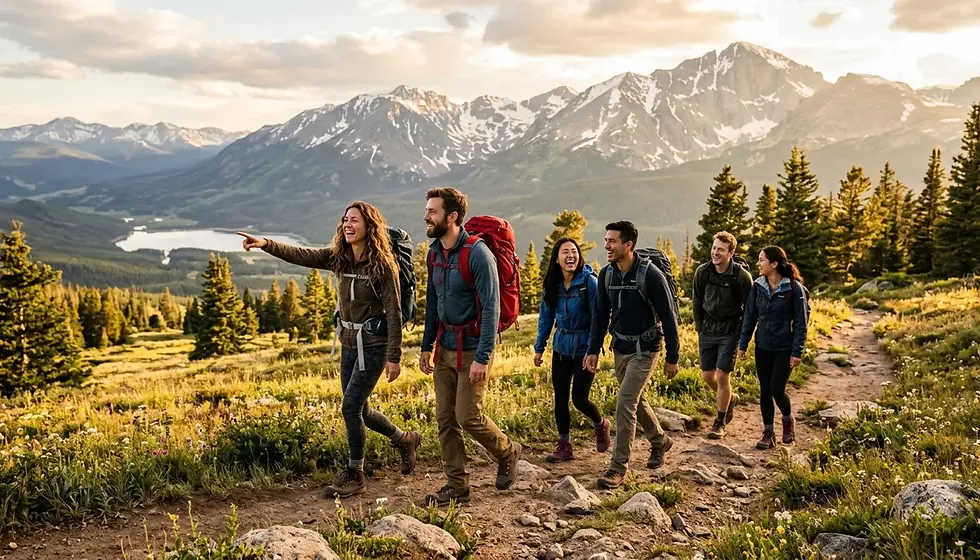
The colorado hiking & nature activities boulder, co scene extends far beyond the crowded tourist trails. Boulder locals guard their favorite hiking spots carefully, choosing lesser-known trailheads that offer solitude, spectacular views, and genuine wilderness experiences without the parking hassles and weekend crowds that plague popular destinations like Chautauqua. For a fuller picture of what the area offers, our Boulder Travel Guide covers everything from trails to lodging.
TL;DR:
Shadow Canyon offers the steepest ascent to South Boulder Peak with just 1.1 miles to gain 1,800 feet
Blue Lake provides 13,000-foot mountain views with under 1,000 feet elevation gain on a 5.1-mile round trip
Bear Canyon connects to NCAR trails for loop options avoiding Chautauqua crowds
Fourth of July Mine via rough dirt road access eliminates 90% of casual hikers
Best times: weekday mornings before 8am, late September through October for golden aspen
Most trails require high-clearance vehicles or longer approaches for true solitude
Boulder's outdoor culture attracts millions of visitors annually, but experienced locals have developed strategies for finding pristine wilderness experiences. The key lies in choosing trails that require either technical skill, longer approaches, or difficult access roads that naturally filter out casual hikers.
After spending a decade exploring every ridge and drainage around Boulder, we've identified the trails that consistently deliver solitude and spectacular scenery. These aren't necessarily the most challenging hikes, but they require insider knowledge about access, timing, and route-finding that keeps them relatively unknown.
What Makes a Boulder Hiking Trail Truly Hidden?
Genuine hidden gems in Boulder's hiking scene share specific characteristics that separate them from heavily marketed trails. True local favorites require either rough vehicle access, unmarked junctions, or seasonal timing knowledge that prevents overcrowding.
The most effective barrier is difficult vehicle access. Trails accessed via rough dirt roads or requiring high-clearance vehicles naturally eliminate 80% of casual hikers. Fourth of July Trailhead, for example, requires navigating 5 miles of rocky dirt road through Eldora hamlet that deters most visitors with standard cars.
Unmarked trail junctions create another natural filter. Many of Boulder's best hiking trails require navigation skills at critical decision points where faint social trails split from obvious routes. Bear Canyon's connection to NCAR trails involves three unmarked junctions that confuse most hikers into turning back.
Seasonal timing knowledge separates locals from tourists dramatically. September through October offers golden aspen displays on high-elevation trails, but most visitors stick to summer hiking seasons. Late fall hiking provides the year's best mountain views with virtually empty trails. Browse our Outdoor Activities guides for seasonal tips on making the most of Colorado's trail conditions.
Which Secret Trails Offer the Best Mountain Views Without Crowds?
Shadow Canyon to South Boulder Peak provides the most dramatic elevation gain per mile ratio in the entire Boulder Mountain Parks system. The route climbs 1,800 feet in just 1.1 miles to reach a saddle connecting both South Boulder Peak and Bear Mountain.
Start from the NCAR trailhead via Table Mesa Drive where free parking remains available even on busy weekends. The initial half-mile follows gentle switchbacks before the trail turns vertical up the canyon's north face. Expect sustained steep climbing with loose rock requiring careful foot placement.
From the saddle, Bear Mountain summit adds only 0.3 miles with spectacular Flatirons views rarely seen from other vantage points. South Boulder Peak requires another 0.3 miles but delivers 360-degree views encompassing Denver's skyline, the Continental Divide, and Indian Peaks Wilderness.
Blue Lake in Brainard Lake Recreation Area offers 13,000-foot mountain views with surprisingly moderate effort. The 5.1-mile round trip gains less than 1,000 feet elevation, making it accessible for strong hikers seeking alpine scenery without technical climbing. Our Boulder Travel Guides Itineraries include more routes at this difficulty level.
From Blue Lake's shore, Mount Audubon, Little Pawnee Peak, and Paiute Peak create a spectacular cirque of granite peaks reflecting in the lake's still waters. Early morning visits provide glass-smooth reflections and complete solitude before day hikers arrive after 10am.
The U.S. Forest Service requires advance reservations for Brainard Lake Recreation Area access during peak season, but weekday slots remain available for planning ahead. The reservation system actually benefits those seeking solitude by limiting total visitor numbers. For more on planning a trip around these experiences, our Boulder Weekend Getaway Itinerary offers a ready-made framework.
How Do You Access Boulder's Most Remote Mountain Lakes?
Arapaho Pass via Fourth of July Trailhead provides the most secluded alpine lake access within driving distance of Boulder. The combination of rough road access and steady 1.8-mile climb to 11,906 feet eliminates casual visitors effectively.
Drive through Nederland then follow rough dirt Forest Road 359 for 5 miles through Eldora hamlet. High-clearance vehicles handle the route easily, but passenger cars risk undercarriage damage on protruding rocks. The difficult access means finding parking even on summer weekends.
The trail climbs steadily past Fourth of July Mine ruins where interpretive signs detail the area's mining history. Continue climbing through bristlecone pine forest to reach Arapaho Pass at 11,906 feet with expansive views across Middle Park and the Gore Range.
From the pass, descend 750 feet north to reach pristine Caribou Lake surrounded by 12,000-foot peaks. The descent requires basic route-finding skills as the trail becomes faint through boulder fields. Most hikers turn around at the pass, leaving the lake virtually empty.
Advanced hikers continue from Arapaho Pass to climb South Arapaho Peak at 13,400 feet. The route requires careful navigation through boulder fields and loose rock, but rewards skilled mountaineers with summit views extending to Mount Elbert and the Sawatch Range.

What Are the Best Alternatives to Overcrowded Chautauqua Trails?
Bear Canyon provides direct Flatirons access without Chautauqua's parking nightmares and weekend crowds. The trailhead sits along Bear Canyon Drive with reliable parking and connects to the same ridge system via lesser-known routes.
Begin from the residential trailhead where Bear Canyon Drive dead-ends into the foothills. The first mile follows Bear Creek through dense forest before emerging onto exposed slopes with classic Flatirons views. Most casual hikers turn back at the first overlook, missing the best sections.
Continue climbing through three unmarked junctions where faint social trails branch toward different ridge systems. Local knowledge helps navigate these decision points: always choose the most worn path that continues gaining elevation steadily.
The trail eventually connects with NCAR's Mesa Trail system, creating loop options back to civilization. Strong hikers complete the full loop in 4-5 hours with sustained views of Boulder Valley and the Indian Peaks throughout the ridge walk.
Green Mountain via Gregory Canyon offers another Chautauqua alternative with better parking and fewer crowds. Start from the Baseline Road trailhead where parking fills slower than downtown options. The 5.8-mile round trip gains 2,400 feet through varied terrain.
Flagstaff Mountain provides the easiest alternative for families seeking Flatirons views without hiking crowds. Drive to the 7,000-foot summit via Flagstaff Road for immediate panoramic views. The Flagstaff Mountain trailhead offers multiple short walks with spectacular overlooks. You can also browse Things To Do In Boulder Colorado for family-friendly ideas beyond the trails.
Which Rocky Mountain National Park Trails Avoid Tourist Masses?
Bear Lake to Fern Lake creates a 9.2-mile one-way traverse connecting iconic destinations while avoiding the crowds that pack both trailheads during peak hours. The route requires shuttle logistics but delivers wilderness solitude between famous endpoints.
Start from Bear Lake trailhead before 7am to secure parking in Rocky Mountain National Park. The initial 2 miles climb steadily through dense forest to reach pristine Odessa Lake, where most day hikers turn back toward Bear Lake.
Continue descending gradually through Odessa Gorge's dramatic granite walls toward Fern Lake. This middle section sees minimal traffic as most visitors approach Fern Lake from the easier Fern Falls trailhead. Expect complete solitude through the gorge's most scenic sections.
Arrange pickup at Fern Falls trailhead or hike the additional 3.8 miles down Fern Creek to Moraine Park. The full traverse showcases the park's diverse ecosystems from alpine lakes through montane forests to open meadowlands.
Chasm Lake provides technical alpine hiking just 42 miles from Boulder via Highway 7 through Lyons. The 8.4-mile round trip gains 2,450 feet, sharing the first 3.5 miles with the Long's Peak Trail before branching east toward the dramatic cirque.
Most Long's Peak climbers continue straight at the junction, leaving Chasm Lake hikers to enjoy solitude despite following a popular initial route. The final mile requires basic scrambling skills through granite slabs and boulder fields.
Chasm Lake sits directly beneath Long's Peak's east face, creating one of Colorado's most dramatic alpine settings. The towering 2,000-foot granite wall rising directly from the lake's shore provides perspective on Long's Peak's notorious Diamond face. Visitors planning their first Rocky Mountain adventure will find our Boulder Co Travel Guide an essential starting point.

How to Time Your Hikes for Maximum Solitude and Best Conditions?
Weekday mornings before 8am provide optimal conditions on virtually every trail in Boulder's hiking network. Weekend crowds typically don't reach trailheads until after 9am, creating a golden window for solitude seekers. Our best time to visit Boulder for a relaxing getaway breaks down seasonal timing in even greater detail.
Late September through October offers the year's best hiking conditions with warm days, cool nights, and spectacular aspen displays. Most tourists concentrate summer visits around July and August, leaving fall hiking to experienced locals who understand Colorado's weather patterns.
Snow conditions vary dramatically by elevation and exposure. South-facing slopes below 9,000 feet remain hikeable through most winter months, while north-facing alpine routes require snowshoes or microspikes from November through April.
Thunderstorm timing follows predictable patterns during summer months. Start alpine hikes before 6am to reach exposed ridges and summits before afternoon storms develop. Plan to descend below treeline by noon during July and August.
Winter hiking opens completely different trail experiences with guaranteed solitude. January through March provides excellent conditions for snowshoeing popular summer trails that become impassable to casual hikers.
Spring conditions prove most challenging with wet trails, muddy approaches, and unpredictable weather. April through June requires flexible planning and backup indoor activities when trails become impassable. See our best things to do by season in Boulder Co year-round guide for indoor alternatives during shoulder seasons.
What Essential Gear and Navigation Skills Do These Trails Require?
Basic navigation skills prove essential for most hidden trails since they involve unmarked junctions, faint social trails, or route-finding through boulder fields. Carry a detailed topographic map and compass as backup to smartphone GPS.
High-clearance vehicles enable access to the most secluded trailheads. Standard passenger cars handle paved approaches to mainstream trails, but rough forest roads leading to hidden gems require additional clearance and four-wheel drive during wet conditions.
Layer systems prove crucial for Colorado's unpredictable mountain weather. Morning temperatures in the 40s can rise to afternoon highs in the 80s, then drop dramatically with afternoon thunderstorms. Pack insulating and waterproof layers regardless of forecast.
Emergency shelter and extra food become critical on remote trails where rescue access requires hours rather than minutes. Carry emergency bivy sacs and high-energy food for unexpected weather or navigation delays.
Water treatment capability proves essential on longer routes where natural sources provide the only resupply options. Lightweight water filters or purification tablets enable safe drinking from mountain streams and lakes.
First aid knowledge gains importance on isolated trails where cell coverage disappears and help remains hours away. Basic wound care, sprain treatment, and heat injury recognition prevent minor problems from becoming emergencies.
Which Seasonal Wildlife Encounters Should Hikers Expect?
Black bear encounters peak during late summer and fall when bears actively forage for winter fat reserves. Most sightings occur along berry-rich creek drainages and oak brush zones between 6,000 and 9,000 feet elevation.
Mountain lions inhabit all Boulder County foothills but rarely interact with humans. Dawn and dusk present higher encounter risks when cats hunt actively. Make noise consistently and avoid hiking alone during these periods.
Elk herds migrate through lower elevation trails during September and October, creating potential conflicts during rutting season. Bull elk become aggressive and unpredictable, requiring 100-yard minimum distances and alternate route planning.
Rattlesnake encounters occur primarily on south-facing slopes below 8,000 feet during warm weather. Watch carefully for prairie rattlesnakes sunning on rocks or crossing trails. Most strikes result from accidentally stepping on hidden snakes.
Moose populations have expanded into Boulder County watersheds over recent decades. These massive animals prove unpredictable and dangerous, especially cows with calves during spring months. Maintain 50-yard distances and plan escape routes.
Pika populations inhabit high-elevation boulder fields and talus slopes throughout the Indian Peaks and Rocky Mountain National Park. Their distinctive chirping calls help locate these climate-sensitive mammals during alpine hikes. Explore our Eco Friendly Luxury Travel In Boulder Co The Complete Guide for responsible practices that protect these fragile high-altitude ecosystems.
What Photography Opportunities Do These Hidden Trails Provide?
Golden hour lighting transforms ordinary mountain scenes into spectacular photography on trails that face east or west for optimal sunrise and sunset illumination. Plan arrival times to capture peak lighting conditions.
Reflection photography opportunities abound at high-elevation lakes during calm morning conditions. Alpine lakes provide mirror-smooth surfaces before wind develops, typically between 6am and 9am during summer months.
Wildflower displays peak during different elevation zones throughout summer. Lower elevation trails bloom in May and June, while alpine meadows reach peak colors during July and August. Plan specific routes around bloom timing for optimal flower photography.
Fall aspen photography requires precise timing as peak colors last only 7-10 days per elevation zone. Monitor local foliage reports and plan hiking schedules around brief peak windows for spectacular golden displays.
Winter photography opens unique opportunities with snow-covered peaks, frost formations, and dramatic weather patterns. Clear cold mornings provide exceptional visibility and contrast for mountain landscape photography.
Night sky photography benefits from Boulder's dark sky ordinances that reduce light pollution in mountain areas. High-elevation trails offer excellent stargazing opportunities with minimal artificial light interference.
How Do You Prepare Physically for Boulder's Hidden Gem Trails?
Altitude acclimatization proves crucial for hikers visiting from sea level destinations. Boulder sits at 5,400 feet, while many hidden trails reach 10,000-12,000 feet where oxygen levels drop significantly.
Cardiovascular fitness requirements vary dramatically between gentle lake walks and steep peak ascents. Shadow Canyon's 1,800-foot elevation gain in 1.1 miles demands excellent fitness and strong leg muscles for sustained steep climbing. Reviewing Boulder hiking trails by difficulty can help you match routes to your current fitness level.
Technical hiking skills become essential for routes involving scrambling, route-finding, or loose rock navigation. Practice balance and footing techniques on easier terrain before attempting challenging hidden gems. For a curated overview of the region's most rewarding routes, see our guide to the best hiking trails near Boulder. Those planning a post-hike recovery day will also appreciate our guide to wellness retreat near Boulder options that pair perfectly with active adventures. After returning from the trail, a luxury A-frame retreat near Boulder offers the perfect place to unwind.
Load-carrying capacity improves through progressive training with weighted packs. Hidden trails often require carrying extra gear, emergency supplies, and sufficient water for longer approaches.
Joint conditioning prevents overuse injuries on uneven terrain with loose rocks and steep grades. Strengthen ankles, knees, and hips through targeted exercises focusing on stability and flexibility.
Mental preparation helps hikers handle solitude, navigation challenges, and decision-making on remote trails where backup support remains unavailable. Practice solo hiking skills on familiar terrain first.
What Safety Considerations Apply to Remote Boulder Hiking?
Cell phone coverage disappears completely on many hidden trails, eliminating emergency communication options. Inform reliable contacts about planned routes, expected return times, and trigger thresholds for initiating rescue operations.
Weather changes rapidly at high elevations with afternoon thunderstorms developing from clear morning skies. Monitor forecasts carefully and plan early starts to avoid lightning exposure on exposed ridges and summits.
Trail conditions vary seasonally with snow, ice, mud, and rockfall hazards affecting route difficulty and safety. Check current conditions through local ranger stations or hiking forums before attempting unfamiliar routes.
Navigation errors become costly on remote trails where wrong turns lead deeper into wilderness rather than back to civilization. Practice map and compass skills on familiar terrain before attempting complex route-finding.
Group size affects both safety and environmental impact on sensitive trails. Parties of 2-4 people balance safety concerns with minimal environmental damage and noise impacts on wildlife.
Frequently Asked Questions
What permits or fees are required for Boulder's hidden hiking trails?
Most Boulder County Open Space trails require no permits or fees for day hiking. However, Brainard Lake Recreation Area charges $5 daily parking fees and requires advance reservations during peak season from June through September. Rocky Mountain National Park requires $30 vehicle passes valid for seven days or $55 annual park passes.
Which hidden trails are suitable for hiking with dogs?
Boulder County Open Space allows leashed dogs on most trails including Bear Canyon and NCAR routes. Rocky Mountain National Park prohibits dogs on all trails, making Chasm Lake and other park destinations off-limits for dog owners. Always carry waste bags and keep pets leashed in wildlife areas.
How do rough access roads affect vehicle insurance and rental agreements?
Forest roads like the Fourth of July Trailhead approach may void rental car insurance coverage for undercarriage damage. Check rental agreements carefully before attempting rough roads. Most standard car insurance covers forest road damage, but confirm coverage details with your provider.
What water sources are safe for drinking on Boulder's backcountry trails?
Mountain streams and lakes require treatment for giardia and other parasites even at high elevations. Carry water purification tablets or lightweight filters for all natural water sources. Springs emerging directly from bedrock generally prove safest, but treatment remains recommended.
Which hidden trails offer winter hiking opportunities?
South-facing trails below 8,000 feet like Bear Canyon and lower NCAR routes remain hikeable through most winter months. Higher elevation destinations require snowshoes or microspikes from November through April. Check avalanche conditions in Brainard Lake Recreation Area before winter attempts.
How early should hikers start to avoid crowds on popular hidden gems?
Arrive at trailheads before 7am on weekends and 8am on weekdays for optimal solitude. Most crowds arrive after 9am, particularly on Instagram-famous destinations. Early starts also provide better weather windows and parking availability.
What backup plans work best when hidden trails become impassable?
Always research 2-3 alternative routes at similar difficulty levels before starting hikes. Boulder Creek Path provides excellent fallback options for flat walking when mountain weather closes higher elevation trails. Downtown Boulder's Chautauqua Park offers covered pavilions during storms. After your hike, our Restaurants And Dining In Boulder Co guide makes it easy to find a great meal to refuel. For a lively post-hike destination, the Pearl Street Mall Guide covers Boulder's most walkable dining and shopping district.
Finding Your Perfect Boulder Mountain Escape
Boulder's hidden gems in Boulder reward those willing to seek unmarked junctions, navigate rough access roads, and time their adventures around crowd patterns. The most memorable experiences happen when solitude combines with spectacular mountain scenery, creating the authentic Colorado outdoor experiences that keep locals returning year after year. Curious about where to stay after the trail? Our Boulder Lodging Beyond Hotels Where Savvy Travelers Actually Stay guide highlights the best options beyond standard accommodations.
Success on these trails requires more than basic hiking fitness. Navigation skills, weather awareness, and vehicle capability open access to destinations that remain truly wild despite Boulder's growing population and tourism pressure.
The investment in planning and preparation pays dividends through encounters with wildlife, pristine alpine lakes, and summit views shared with maybe a handful of other hikers rather than crowds. This is the colorado hiking & nature activities boulder, co experience that transforms casual outdoor enthusiasts into devoted mountain addicts. For complete planning resources, consider our comprehensive Denver weekend getaways and discover additional what to do in Boulder Colorado beyond hiking. You can also explore 50 things to do in Boulder Colorado for a local's guide to even more hidden gems. Pairs well with our Boulder Hidden Gems Locals Actually Visit (Not the Tourist Traps) for even more off-the-beaten-path inspiration. Planning your stay? Comparing your options with our Boulder Hotels Vs Luxury Cabins guide can help you decide, and those seeking a secluded escape will want to read about our Secluded Luxury Retreat Near Boulder. Travelers curious about things to do in Boulder beyond the trails will find plenty of inspiration for rounding out their visit.
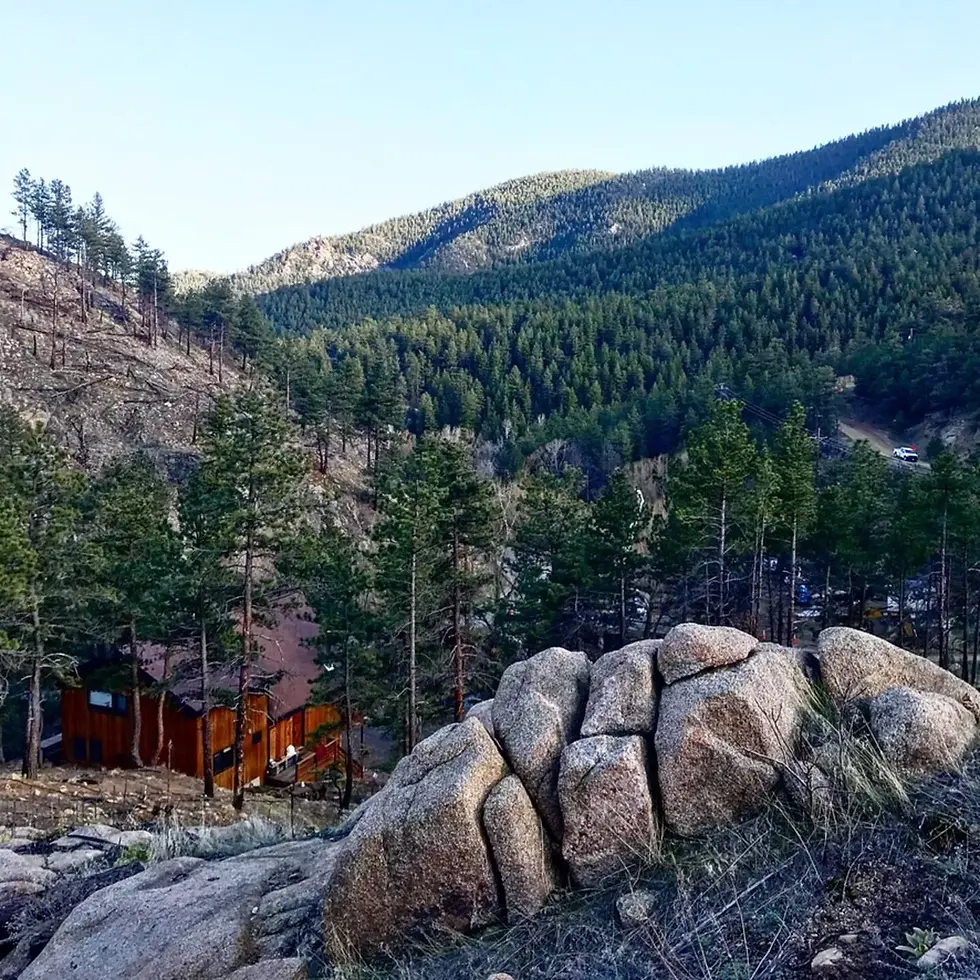
After a day exploring Boulder's hidden mountain trails, visitors often seek wellness retreat near Boulder for recovery. The Rusty Skillet provides the perfect recovery sanctuary just 15 minutes from trailheads. The Japanese cedar hot tub Boulder barrel sauna works magic on tired hiking muscles while mountain views stretch toward the same peaks you conquered during the day. For those planning extended stays, explore our couples retreats near Boulder options and browse best luxury cabins near Boulder to find the perfect post-adventure retreat. Couples seeking a romantic escape will also love our Romantic Getaways Couples Retreat collection, and those curious about the property itself can Explore The Rusty Skillet Ranch before booking. Check availability here with our Cozy Boulder Cabins With Hot Tubs And Mountain Views guide, or view Best Things To Do In Boulder Luxury Travelers for curated post-hike experiences. Guests interested in true relaxation can also explore our Luxury Cabin Stays Near Boulder collection and discover what makes a True Wellness Retreat Colorado experience so restorative after a long day on the trail. Guests who prefer the ease of booking direct can learn more about the advantages at Booking Direct Vs Airbnb Boulder, and those ready to reserve can visit Book The Rusty Skillet Ranch to check availability.


Comments