Boulder's Farmers Markets: Where to Eat Local and Shop Fresh This Season
Updated: Aug 31

Boulder County operates two farmers markets with distinct personalities: the bustling Saturday market running April through November and the intimate Wednesday evening market from May through October. Both feature exclusively Colorado-grown produce, local artisans, and community vendors at Central Park on 13th Street between Arapahoe Avenue and Canyon Boulevard.
TL;DR Summary:
Saturday market runs 8am-2pm April 4 - November 21, 2026, featuring 80+ vendors
Wednesday market operates 3:30pm-7:30pm May 6 - October 7, 2026, with evening atmosphere
Located at Central Park, 13th & Canyon Boulevard in downtown Boulder
SNAP, WIC, and online ordering accepted with pickup options
No pets allowed for safety and sanitation reasons
Peak produce seasons: tomatoes in August, apples September-October, greens April-May and September
Boulder's farmers market has anchored the downtown community since 1987, evolving from a small producer gathering to one of Colorado's premier agricultural showcases. The dual-market system offers different experiences: Saturday's family-friendly bustle and Wednesday's after-work social scene create distinct rhythms throughout Boulder's growing season.
Understanding the seasonal flow and vendor specialties transforms a simple shopping trip into an exploration of Colorado's agricultural calendar, whether you're stocking a luxury A-frame retreat near Boulder or planning weekly meals in town.
What Are the Hours and Seasons for Boulder's Farmers Markets?
The Saturday Boulder farmers market in boulder colorado operates from 8am to 2pm, running April 4 through November 21, 2026. This seven-hour window accommodates early-bird locals grabbing coffee and pastries alongside families making their weekly produce rounds.
Wednesday's evening market creates an entirely different atmosphere, running 3:30pm to 7:30pm from May 6 through October 7, 2026. The shorter season reflects peak growing months, while the later hours cater to working professionals and create a social gathering spot as Boulder transitions from workday to evening.
Both markets operate rain or shine, though severe weather occasionally forces closures. The Boulder County Farmers Markets organization posts updates on their website and social media when weather impacts operations.

Peak attendance hits Saturday mornings between 9am and 11am, particularly during tomato season in August and apple harvest in September. Wednesday markets see steadier traffic throughout their four-hour run, with the post-work crowd arriving around 4:30pm.
The extended Saturday season accommodates Colorado's longer storage crop harvest, including winter squash, potatoes, and preserved goods that carry vendors through the dormant months.
Where Exactly Is Boulder's Farmers Market Located?
Central Park sits at the intersection of 13th Street, Canyon Boulevard, and Arapahoe Avenue, creating Boulder's civic heart where the farmers market has operated for nearly four decades. The park's mature trees provide natural shade for vendors, while its central location makes it accessible from all Boulder neighborhoods.
Parking presents the biggest logistical challenge. The adjacent courthouse parking structure at 1325 Pearl Street offers the most convenient paid option at $1.50 per hour. Street parking on residential streets east of 15th Street stays free but requires a 3-4 block walk.
RTD's Hop bus provides direct service to the 13th and Arapahoe stop, connecting the market to Boulder's major transit corridors. The B-cycle bike share station at 13th and Pearl offers another car-free option, particularly appealing on pleasant Saturday mornings when exploring downtown dining options afterwards.

The market layout flows north-south along 13th Street, with produce vendors typically clustered near the Canyon Boulevard end and prepared foods concentrated toward Arapahoe. This arrangement creates natural traffic flow and prevents bottlenecks during peak hours.
Wednesday's smaller footprint uses roughly half the Saturday space, creating a more intimate browsing experience but sometimes longer lines at popular vendors.
What Types of Vendors and Products Can You Find?
Colorado's short growing season creates intense flavor concentration, making Boulder's farmers market produce distinctly different from year-round commercial agriculture. Local regulations require all vendors to grow, produce, or craft their goods within Colorado, ensuring authenticity that many markets lack.
Produce vendors dominate both markets, with operations ranging from small family farms in Niwot and Longmont to larger organic operations in the Arkansas Valley. Summer brings explosion of variety: twelve different tomato varieties from Cure Organic Farm, purple carrots from Wild Moon Farm, and Japanese vegetables from Hazel Dell Mushrooms.
Prepared food vendors create substantial lunch and dinner options, particularly valuable for Wednesday shoppers transitioning from work to evening plans. Wood-fired pizza vendors typically sell out by 6pm during peak season, while tamale vendors often run specials on slower spring days.
Artisan vendors contribute non-food elements that distinguish Boulder's market from purely agricultural gatherings. Local honey vendors offer tastings of wildflower versus clover varieties, while soap makers provide samples of lavender and pine formulations unique to Colorado's high desert climate.
The weekend market supports approximately 80 vendors at peak season, while Wednesday's more intimate scale accommodates 35-40 stalls. Both markets enforce strict local production standards that eliminate reseller operations common at some regional markets, supporting the Boulder County farm trail ecosystem.
How Do Payment Options Work at Boulder's Markets?
Boulder County Farmers Markets accepts cash, credit cards, SNAP benefits, and WIC vouchers at most vendor stalls, though individual vendors determine their specific payment methods. The market's central information booth provides change-making services and SNAP/WIC token distribution.
SNAP recipients receive bonus dollars through the Fresh Food Connect program, effectively doubling purchasing power up to $20 per market day. This federal program makes farmers market shopping genuinely affordable for qualifying families, particularly valuable given Boulder's high grocery costs.
Credit card processing fees vary by vendor, with some smaller operations preferring cash to avoid transaction costs. Bringing $20-40 cash covers most typical shopping trips while providing flexibility for vendors without card processing.
The online ordering system through Shop Online allows pre-ordering for Wednesday and Saturday pickup, particularly useful for popular items like artisan breads or specific produce varieties that sell out early.
WIC vouchers work seamlessly for qualifying produce purchases, with clearly marked signs at participating vendors. The program's emphasis on fresh fruits and vegetables aligns perfectly with farmers market offerings.
When Is the Best Time to Visit for Peak Produce Selection?
Colorado's growing season creates distinct peak periods that smart shoppers follow for optimal selection and value. Late spring greens arrive in May, providing the season's first fresh lettuce, spinach, and peas after winter's storage crops.
Midsummer brings the explosion most people associate with farmers markets. July through early August delivers peak berry season, with strawberries typically finishing by mid-July as raspberries and blackberries reach their prime. Tomato season peaks in late August, offering varieties impossible to find in grocery stores.
September represents Colorado's apple harvest, with local orchards bringing varieties like Honeycrisp and Gala alongside heritage apples rarely seen elsewhere. Root vegetables reach peak quality in October, while winter squash varieties provide storage options extending market ingredients through early winter. For a complete seasonal planning resource, the Best Things To Do By Season In Boulder Co Your Year Round Guide covers the full calendar.
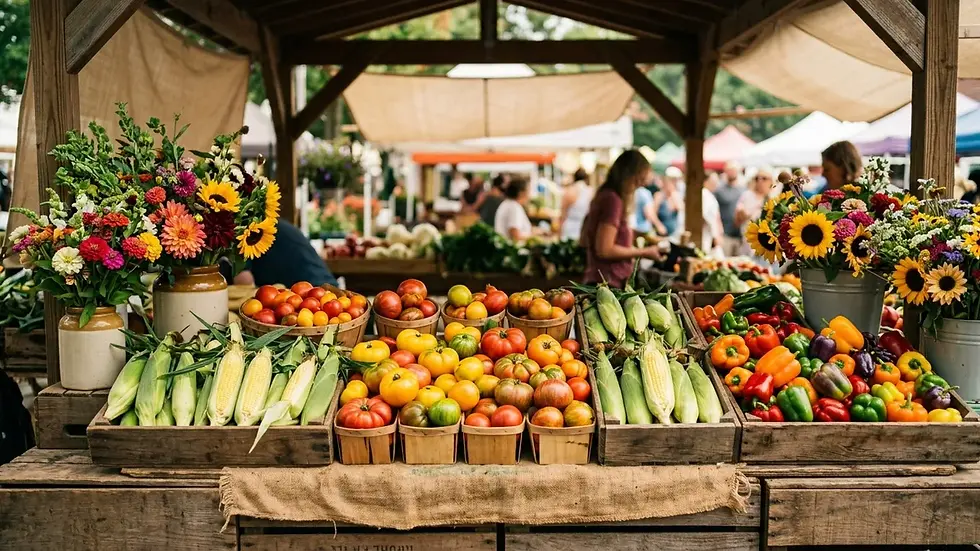
Early morning shopping on Saturdays provides best selection but also highest crowds. Arriving during the final hour often yields vendor discounts on perishable items, though selection becomes limited.
Wednesday markets offer less competition for popular items, making evening shopping ideal for securing specialty produce or artisan goods that might sell out Saturday mornings.
What Should You Eat at the Market Versus Take Home?
Fresh-prepared foods at Boulder's farmers market create immediate gratification opportunities that distinguish market visits from grocery shopping. Wood-fired pizza vendors use market vegetables as toppings, creating combinations unavailable elsewhere while supporting multiple local producers simultaneously.
Breakfast pastries from vendors like Dry Storage work best consumed fresh, particularly croissants and seasonal fruit turnovers that don't travel well. Coffee vendors provide necessary fuel for extended browsing, with several operations offering locally-roasted beans. For more great local coffee options, the Boulder Coffee Shops That Locals Actually Recommend 2026 Guide covers the best spots in town.
Tamale and empanada vendors provide substantial meals ideal for picnicking in Central Park or nearby Pearl Street Mall. These items reheat successfully but taste distinctly better when consumed immediately after preparation.
Take-home priorities focus on produce at peak ripeness and specialty items unavailable elsewhere. Colorado peaches in August reach perfection that degrades quickly, making immediate consumption or same-day use essential. Conversely, storage crops like potatoes, onions, and winter squash improve with time and justify bulk purchasing.
Artisan breads benefit from same-day consumption but freeze well, making them ideal for bulk purchasing when vendors offer end-of-market discounts. Honey, preserved items, and prepared sauces provide pantry staples that extend market shopping throughout the week. For inspiration on where to enjoy your market finds alongside great restaurant meals, see our guide to Restaurants And Dining In Boulder Co.
Fresh herbs deserve immediate use, while dried herb blends from market vendors provide concentrated flavors that store successfully for months.
How Does Boulder's Market Compare to Other Colorado Farmers Markets?
Boulder's farmers market distinguishes itself through strict local sourcing requirements and downtown accessibility that many Colorado markets lack. The 13th and Canyon location provides urban convenience impossible at suburban fairground locations common throughout the Front Range.
Size-wise, Boulder operates larger than Fort Collins or Colorado Springs markets but smaller than Denver's massive Union Station gathering. This middle ground provides variety without overwhelming crowds, particularly appealing for focused shopping rather than entertainment browsing.
Vendor quality reflects Boulder's affluent customer base, with organic operations dominating in proportions higher than most Colorado markets. Price points run correspondingly higher, though quality justifies premium costs for discerning shoppers.
The dual-market system sets Boulder apart from single-day operations common elsewhere. Wednesday's evening schedule accommodates working professionals in ways that Saturday-only markets cannot match, creating customer loyalty that supports vendor sustainability.
Boulder's emphasis on prepared foods exceeds most Colorado markets, reflecting the community's dining culture and tourist presence. This makes Boulder's market more destination-worthy for out-of-town visitors than purely agricultural gatherings, especially when combined with exploring things to do in Boulder options. Boulder has earned recognition as America's Foodiest Town by Bon Appétit, a testament to the community's deep commitment to local food culture. For visitors planning a longer stay, browsing Best Things To Do In Boulder Luxury Travelers reveals how the market fits into a full luxury itinerary.
What Are the Market Rules and Guidelines Visitors Should Know?
No pets policy enforcement helps maintain sanitation standards and reduces crowding in vendor areas, though many visitors arrive unprepared for this restriction. Service animals receive appropriate accommodation, but emotional support animals do not qualify for market access.
Reusable bags create environmental benefits while providing practical advantages for carrying purchases. Many vendors offer paper bags, but sturdy totes handle produce weight more effectively and align with Boulder's sustainability values.
Vendor interaction protocols encourage questions about growing methods, preparation suggestions, and seasonal availability. Most vendors appreciate educated customers and provide generous samples, particularly for unfamiliar vegetables or preparation techniques.
Photography policies vary by vendor, with most welcoming casual photos but requesting permission for commercial photography or social media posts featuring specific vendors prominently.
Child supervision becomes particularly important during peak Saturday crowds, when vendor spaces and customer traffic create potential safety concerns. Wednesday's lighter crowds provide more family activities in Boulder friendly browsing conditions.
Early departure considerations matter for vendors managing perishable inventory. Saturday vendors typically begin packing around 1:30pm, while Wednesday operations wind down by 7pm regardless of posted closing times.
Practical Tips for First-Time Market Visitors
Bring smaller denomination bills for easier vendor transactions and to avoid depleting vendors' limited change supplies. Most vendors appreciate exact change, particularly for small purchases under $10.
Market timing strategy depends on priorities: early arrival ensures best selection, while late arrival often yields discounts on perishable items. Wednesday markets maintain consistent inventory throughout their shorter operating window.
Cooler bags become essential during summer heat, particularly for dairy products, meat, and delicate produce. Boulder's elevation intensifies sun exposure, making temperature-sensitive purchases vulnerable during extended shopping trips.
Parking strategy requires planning, with courthouse structure availability decreasing as morning progresses. Alternative transportation via RTD or cycling eliminates parking concerns while providing environmental benefits.
Vendor research through the Boulder County Farmers Markets website identifies specific producers and seasonal availability, enabling targeted shopping for particular ingredients or products.
Weather preparation matters year-round, with spring markets potentially encountering late snow and summer markets facing afternoon thunderstorms. Both markets operate rain-or-shine except during severe weather warnings. Consider combining your market visit with wellness retreat near Boulder activities for a perfect weekend getaway.
Frequently Asked Questions
What day is the Boulder farmers market?
Boulder operates farmers markets on both Saturdays and Wednesdays. Saturday markets run April through November from 8am-2pm, while Wednesday markets operate May through October from 3:30pm-7:30pm. Both markets take place at Central Park on 13th Street between Arapahoe and Canyon.
Where is the best farmers market in Colorado?
Boulder County Farmers Markets ranks among Colorado's top markets due to its strict local sourcing requirements, downtown accessibility, and nearly 40-year community tradition. The combination of produce quality, vendor variety, and convenient location makes it particularly appealing for both residents and visitors. For more on planning your trip, see our Boulder Co Travel Guide.
Can you bring pets to Boulder farmers market?
No pets are allowed at Boulder farmers markets for safety and sanitation reasons. Only registered service animals receive accommodation. This policy helps maintain vendor area cleanliness and reduces crowding during peak market hours.
Do Boulder farmers markets accept SNAP benefits?
Yes, most vendors accept SNAP benefits, and the market offers Fresh Food Connect bonus dollars that double SNAP purchasing power up to $20 per market day. WIC vouchers are also accepted at participating vendors, with clear signage indicating which stalls participate in these programs.
Is there parking available at Boulder farmers market?
Paid parking is available at the courthouse structure at 1325 Pearl Street for $1.50 per hour. Free street parking exists on residential streets east of 15th Street, requiring a 3-4 block walk. RTD bus service and B-cycle bike sharing provide car-free alternatives.
What time should I arrive at Boulder farmers market for best selection?
Saturday markets offer peak selection between 8am-10am but expect larger crowds. Wednesday markets maintain consistent inventory throughout their 3:30pm-7:30pm window. Arriving during the final hour of either market often yields vendor discounts on perishable items.
Does Boulder farmers market operate during winter?
Saturday markets continue through November 21, 2026, accommodating Colorado's storage crop harvest and preserved goods. Wednesday markets end October 7, 2026, reflecting the shorter growing season for fresh produce. No markets operate December through March.
Planning Your Boulder Farmers Market Experience
Boulder's farmers market in boulder colorado transforms seasonal shopping from necessity to discovery, whether you're sourcing ingredients for a week of meals or exploring Colorado's agricultural diversity. The combination of strict local sourcing, convenient downtown location, and dual-market scheduling creates flexibility that accommodates various shopping styles and schedules.
Success comes from understanding the rhythm: spring's early greens, summer's abundance, and fall's storage crops each offer distinct advantages. The Wednesday evening social atmosphere provides a different experience than Saturday's family-focused bustle, giving regular visitors variety throughout the season. Visitors looking for Hidden Gems In Boulder will find the market itself one of the city's most rewarding discoveries. For those planning a full trip around the region's best food experiences, the Boulder S Best Fine Dining For Special Occasions 2026 Guide pairs perfectly with a farmers market morning.
Whether you're staying at luxury cabin stays near Boulder or exploring comprehensive Boulder travel guides itineraries options, the farmers market offers an authentic taste of Colorado's agricultural heritage combined with the convenience of downtown access. Visitors planning a full itinerary can also browse our Boulder S 12 Best Restaurants For Farm Fresh Dining And Mountain Views to round out their culinary experience. You can also explore 50 Things To Do In Boulder Colorado Local S Guide To Hidden Gems for even more ways to make the most of your visit. Planning a full day in the city is easy with a Boulder Weekend Getaway Itinerary to guide you from market to mountain and back.
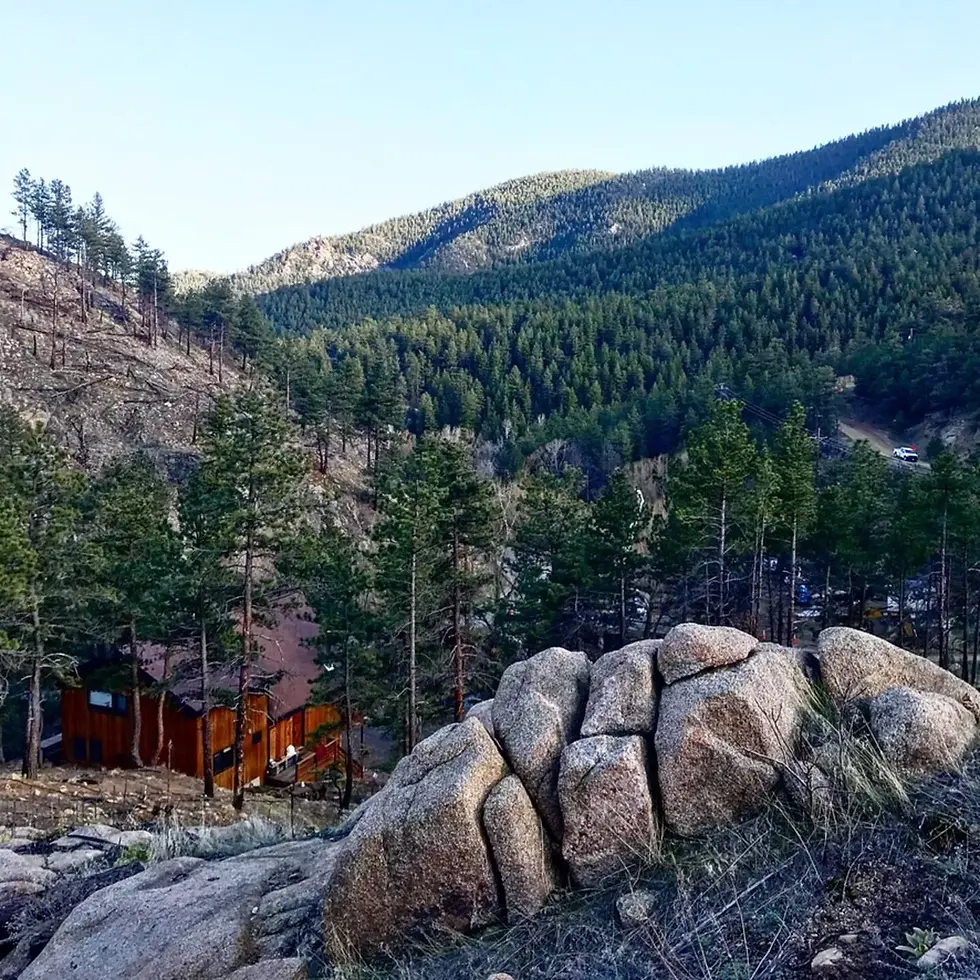
After stocking up on Colorado's finest seasonal produce, The Rusty Skillet Ranch provides the perfect setting for preparing and enjoying your farmers market finds. The fully-equipped kitchen and scenic mountain location make every meal feel special, whether you're crafting simple salads with just-picked greens or elaborate dinners featuring local vegetables and artisan goods. Curious about the best place to base your stay? See how our property compares in our Boulder Hotels Vs Luxury Cabins guide, or browse our Dining category for more local food inspiration throughout your visit.


Comments