Eldorado Canyon Boulder: What Nobody Tells You Before You Visit
Updated: Aug 31

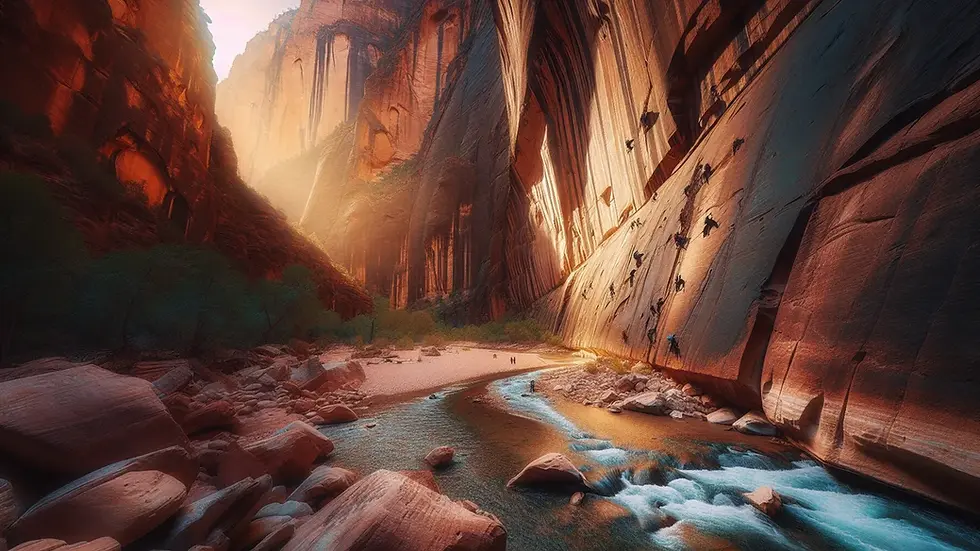
Eldorado Canyon State Park is a 1,392-acre sandstone canyon located 8 miles southwest of Boulder at 9 Kneale Road, Eldorado Springs, CO 80025, and it is one of the most technically significant climbing destinations in North America. But most of the people who show up on a Saturday in July have never clipped a rope in their lives. They came for the scenery, the creek, the chance to watch climbers work impossible-looking routes on bulletproof canyon walls, and the sheer drama of a place where 1.5-billion-year-old rock meets crystal-clear mountain water.
Timed entry reservations are required on Saturdays, Sundays, and summer holidays from May 1 through October 1 annually. Book up to 30 days in advance via CPWShop.com. The reservation itself is free, but a valid Colorado State Parks Pass is required.
Daily Vehicle Pass costs $10-$15; Individual Day Pass costs $4. Cell service is poor inside the canyon, so download your confirmation before you leave home.
Non-climbers have plenty to do: South Boulder Creek fishing, picnicking at 11 designated sites, wildlife watching across 80-plus recorded bird species, and photography from the canyon floor.
The shuttle from Boulder runs Saturdays, Sundays, and holidays from Memorial Day weekend through Labor Day weekend, approximately every 20 minutes from 8 a.m. to 7 p.m. according to Boulder County Transportation.
Raptor nesting closures affect specific climbing routes and upper trails each spring, protected under the Bald and Golden Eagle Protection Act. Check current closures on the Colorado Parks and Wildlife page before heading out.
The Rusty Skillet Ranch sits about 20 minutes from the park entrance, making it a practical base for an early morning arrival that beats the crowds.
At The Rusty Skillet, where we host guests traveling specifically to experience the Front Range's outdoor gems, we have watched hundreds of visitors make the same avoidable planning mistakes at Eldorado Canyon. This guide covers what the official park page does not: crowd patterns, the non-climber's experience, the fascinating history of the town outside the gate, and the bouldering scene's deeper cultural significance. Whether you are booking a wellness retreat in Boulder or driving up for the day from Denver, read this before you go.
As of 2026, the park draws well over 600,000 annual visitors, per the Colorado State Parks Region Annual Visitation Report. That volume puts real pressure on parking, trail conditions, and the reservation system. But visit on a Tuesday in October and you will have the canyon largely to yourself. The difference between a frustrating trip and a transcendent one often comes down to timing.
Is Eldorado Canyon Open, and How Do You Get a Reservation?
Eldorado Canyon State Park is open year-round, but access on weekends and summer holidays from May 1 through October 1 requires a timed entry reservation booked through CPWShop.com. The timed entry slot itself is free, but you must hold a valid Colorado State Parks Annual Pass or pay a Daily Vehicle Pass fee of $10-$15. Individual entry without a vehicle costs $4.
Reservations open 30 days in advance. Each customer may hold a maximum of 4 reservations within any 30-day window. Same-day reservations remain available until 4:30 p.m., but popular dates sell out fast, often within minutes of the 30-day window opening. Build that booking into your calendar.
Here is the detail that catches people off guard: cell phone connectivity is extremely poor inside the canyon. If you cannot show proof of reservation at the gate, you will be turned away, full stop. Download your confirmation as a screenshot before you leave home. For early arrivals between 5:30 a.m. and 7:30 a.m., the confirmation must be printed and displayed on your dashboard.
Weekdays from May through October do not require a reservation. That window is the real insider move. Parking is available, trail traffic is light, and the climbing walls feel entirely different when you are not surrounded by spectators. If your schedule allows a Tuesday or Wednesday visit, take it.
The Eldorado Canyon State Park Official Brochure (PDF) includes a full park map and trail layout. Download it before you leave, because the visitor center, located 1 mile west of the park entrance, is only open 9 a.m. to 4 p.m. daily and closed on Thursdays.
How Much Does It Cost to Enter Eldorado Canyon?
Eldorado Canyon State Park entry fees in 2026 are structured around two pass types. A Daily Vehicle Pass costs $10-$15 and covers all occupants of one vehicle. An Individual Daily Pass costs $4 per person for those arriving on foot, by bike, or via shuttle. The timed entry reservation itself carries no additional charge beyond the standard park pass.
The most cost-effective option for frequent visitors is the Colorado State Parks Annual Pass, which covers the vehicle entry fee at all 42 state parks. If you are planning multiple outdoor Colorado trips this year, the annual pass pays for itself quickly. Purchase it through Colorado Parks and Wildlife before your trip so you are not scrambling at the gate.
Budget note: the Eldorado Springs bottling company is located right off the road to the park entrance and is worth a brief stop. Water refills at the company used to be free but are no longer, so bring enough hydration from home. The park has no food vendors inside the canyon, and the nearest substantial dining is back in Boulder proper.
Guests staying at The Rusty Skillet Ranch, located about 20 minutes from the park entrance, can pack a proper lunch from the property's chef-equipped kitchen, including a Wolf induction cooktop and 32-inch Thermador refrigerator, and treat the visit as a full-day outdoor excursion without scrambling for food.
How Long Is the Eldorado Canyon Hike?
Eldorado Canyon State Park contains 17.1 miles of trails across two distinct sections: the Inner Canyon and Crescent Meadows. Trail length and difficulty vary considerably between the two areas. Most day visitors focus on the Inner Canyon, where the most accessible routes run 1-5 miles round-trip.
The most popular trail for first-time visitors is the Rattlesnake Gulch Trail, a 3.5-mile out-and-back that climbs through pinyon-juniper woodland to the ruins of the Crags Hotel and a commanding overlook of the canyon. Elevation gain runs roughly 900 feet, making it genuinely challenging but manageable for reasonably fit hikers. Plan 2-3 hours. The trail is well-marked but exposed in its upper sections, so sun protection matters.
The Eldorado Canyon Trail connects to the Walker Ranch Loop, a 4.5-mile loop accessible from Crescent Meadows. This is the choice for hikers who want distance and solitude. Crescent Meadows is a separate, undeveloped section of the park accessible either via that trail connection or by driving west on Flagstaff Road to Gross Dam Road. Note that GPS entries for "Eldorado Canyon State Park" sometimes route to Crescent Meadows instead of the main canyon entrance. Use the specific address: 9 Kneale Road, Eldorado Springs, CO 80025.
For non-hikers, the paved canyon road from the entrance gate to the visitor center covers about 1 mile each way and passes directly alongside South Boulder Creek, which offers excellent fishing access and some of the best canyon-floor photography in the area. The Eldorado Canyon State Park Bird List (PDF) documents 80-plus species recorded in the park, and the creek corridor is the best spot to observe them.
For outdoor enthusiasts planning broader adventures near Boulder, our outdoor adventures near Boulder guide covers additional trail options throughout the Front Range.

How Difficult Is Climbing in Eldorado Canyon?
Rock climbing in Eldorado Canyon ranges from moderate multi-pitch routes suitable for intermediate climbers to some of the most technically demanding free climbs in American history. According to Colorado Parks and Wildlife, the park contains over 500 technical climbing routes on named formations including Wind Tower, The Bastille, and Whale's Tail. The rock is polished sandstone, described by climbers as "bulletproof", and the friction-dependent movement style is distinct from granite or limestone climbing.
For bouldering specifically, Mountain Project documents 167 boulder problems across more than 35 named areas in and around the park. The grades span from beginner-accessible V0 slabs to historically significant V-grade test pieces. Classics include Germ Free Adolescence (V5), first ascended by John Sherman, Resonated (V8), The Infinite (V9), and The Heist (V12 R). The Gill Boulder, named after pioneering boulderer John Gill, is genuinely a pilgrimage site for anyone serious about climbing history.
Gill's contribution to American bouldering is worth understanding. He introduced gymnastic training methods to rock climbing in the late 1950s and 1960s, treating bouldering as a discipline in itself rather than just practice for roped climbing. The problems he established at Eldorado are still considered reference points for the sport's development. Visiting the Gill Boulder knowing that history makes it far more interesting than it looks on a map.
Non-climbing visitors should be aware that some bouldering areas involve access complications: private property crossings, railroad track crossings near the creek, and sections of OSMP-managed Natural Area where bouldering rules differ from the state park. Mountain Project and onX Backcountry both track current access status for individual areas. Check before leaving the main canyon for outlying spots like East Draw, Cloud Nine, or Mickey Meadows.
For the casual visitor who simply wants to watch, the canyon floor directly below the Bastille provides excellent viewing of both beginner and advanced routes. Climbers work the lower-angle slabs constantly on weekends, and the spectacle of people moving up near-vertical rock on what appears to be frictionless stone is genuinely striking. You don't need to climb to appreciate it.
What Nobody Tells You About Visiting on a Busy Weekend
The crowd management reality at Eldorado Canyon on a summer Saturday is something no official park page will acknowledge directly. The timed entry system manages vehicle flow at the gate, but it does not prevent the canyon floor from becoming genuinely congested by 10 a.m. Parking within the park fills quickly even with the reservation system in effect, and the shuttle becomes the smarter choice for anyone who values a relaxed morning.
The best practical strategy for a summer weekend visit is one of the following. Option one: arrive between 5:30 a.m. and 7:30 a.m. with your printed confirmation on the dashboard. The canyon at dawn is a different place entirely. The light on the east-facing Bastille wall is exceptional before 8 a.m., and you will have the creek to yourself. Option two: take the shuttle. Boulder County's Eldo Shuttle runs approximately every 20 minutes from 8 a.m. to 7 p.m. on Saturdays, Sundays, and holidays from Memorial Day through Labor Day. It eliminates parking stress entirely and costs significantly less than the vehicle day pass.
One thing most visitors miss: there is no public parking in the town of Eldorado Springs. Park rangers actively ticket vehicles left in undesignated spots outside the park boundary. The small town feels tempting as an overflow lot, but it is not one. Plan accordingly and use the shuttle or arrive early enough to secure a spot at the trailhead.
If you arrive without a reservation on a timed-entry day, you will be turned away at the gate. There is no line you can wait in, no walk-up availability once the day's slots are full. This is the single most common frustrating experience reported by first-time visitors. Book the reservation first; plan the rest of the trip second.
Guests staying at The Rusty Skillet Ranch are just 20 minutes from the park entrance, which makes the 5:30 a.m. early-arrival strategy genuinely practical rather than theoretical. That proximity matters when you're trying to beat summer crowds to one of Colorado's most visited outdoor destinations.
What If You're Not a Climber? The Non-Climber's Guide to Eldo
Eldorado Canyon offers a rich experience for visitors who have never touched a climbing shoe. The canyon's primary non-climbing draws are the creek corridor, picnicking, wildlife watching, photography, and the unique character of the historic Eldorado Springs area immediately outside the park gate.
South Boulder Creek runs the length of the Inner Canyon and offers year-round fishing access. The creek holds brown and rainbow trout. A Colorado fishing license is required for anyone 16 and older. The 11 designated picnic sites along the creek are first-come, first-served on weekdays; on timed-entry days, your reservation secures park access but not a specific site. Arrive early if you want a shaded spot near the water.
Wildlife watching is an underrated reason to visit. The park's official bird list documents 80-plus species, with the creek corridor being the most productive observation zone. Golden eagles nest on the canyon walls annually, which is why sections of the park close each spring under the Bald and Golden Eagle Protection Act. You can reference the Eldorado Canyon State Park Bird List to know what to look for before you arrive. The iNaturalist observations database for the park also shows recent sightings and is worth checking the week before your visit.
Photography spots that work even for phone cameras: the canyon floor looking east from the visitor center in morning light, the Rattlesnake Gulch overlook at midday, and the creek reflection pools near the entrance gate in late afternoon. The canyon's geological drama is accessible from the road. You do not need to hike to photograph dramatic landscapes here.
The Town of Eldorado Springs: The Part Competitors Always Skip
Eldorado Springs is a tiny, quietly eccentric historic resort town that sits directly on the road to the park entrance and receives almost no attention in standard Eldorado Canyon guides. That is a genuine gap. The town itself is part of the area's appeal, and understanding its history makes the canyon feel more layered.
The Eldorado Springs bottling company operates out of the town and draws from the same artesian spring system that made this area famous as a resort destination in the early 1900s. The water is naturally carbonated and mineral-rich. Note that water refills, which used to be available free, are no longer complimentary. But the bottling operation is a legitimate piece of Colorado food and water history worth a brief look as you pass through.
Between 1906 and 1949, a performer named Ivy Baldwin walked a tightrope 580 feet above the canyon floor, stretching from cliff to cliff. He performed the act at the height of the resort era, when the town attracted visitors from across Colorado who came to soak in the spring pools. The Crags Hotel operated from 1908 to 1912 before burning down; its stone ruins are accessible via the Rattlesnake Gulch Trail and are one of the more atmospheric stops in the park. The Daily Camera's 2019 archive piece on how Eldorado Canyon became Boulder's first state park in 1978 covers that transition period in detail and is worth reading before your visit if you appreciate historical context.
The Ute people were the canyon's first inhabitants, living within the canyon walls seasonally for protection from Colorado winters. The rock formations near the visitor center are estimated to be over 1.5 billion years old. That context shifts how you look at the walls when you're standing at the base.
What Are the Best Times to Visit Eldorado Canyon Without the Crowds?
The best shoulder-season windows for Eldorado Canyon are late September through October and mid-April through early May, when timed entry reservations are not required, temperatures are ideal for both hiking and climbing, and parking is straightforward. These windows are what local climbers and trail regulars actually target.
Fall visits offer the added benefit of scrub oak color on the canyon walls. The route grades feel better in cool, dry air, and the light in October hits the sandstone at angles that do not occur in summer. Trail surfaces are firm and dry after the summer monsoon season. This is the window serious climbers plan around.
Spring visits carry one significant caveat: raptor nesting closures. Golden eagles begin nesting as early as February, and closures under the Bald and Golden Eagle Protection Act can affect the upper Rattlesnake Gulch Trail and Continental Crag through mid-July in some years. In 2023, those closures extended through July 15. Violations carry fines up to $5,000 and potential imprisonment, so treat the closure signs seriously. Check current restrictions at the Colorado Parks and Wildlife page before planning a spring climb.
Winter access is possible but requires preparation. Snow can make the upper sections of Rattlesnake Gulch Trail treacherous, and road conditions between Boulder and Eldorado Springs can vary significantly. The canyon road itself typically remains passable in winter, but check road conditions before driving. Winter weekday visits often feel completely solitary, which is its own reward if you are comfortable with cold-weather hiking.
Summer 2026 bookings at Colorado mountain destinations are tracking strongly, with on-the-books occupancy up 4% year-over-year and average daily rates up 7.9% across western mountain markets according to an Inntopia market briefing from March 2026. That demand signal translates directly to Eldorado Canyon: if you're planning a summer trip to the Boulder area, book your park reservation at the 30-day window the moment it opens.
Is Eldorado Canyon Safe for Beginners and Non-Climbers?
Eldorado Canyon State Park is accessible and safe for most visitors, but a few real considerations apply depending on your fitness level, experience, and any health factors. Here is what to know before you go.
Altitude and Elevation: The park sits at approximately 5,800 feet elevation at the canyon floor. For visitors arriving directly from sea level, mild symptoms of altitude adjustment, including headaches or fatigue, are common in the first 24-48 hours. These are not dangerous for healthy adults, but they do affect your energy level on the trail. Hydrate well the day before and take the first hour easy.
Trail Difficulty: The canyon floor walk is entirely flat and manageable for anyone with basic mobility. The Rattlesnake Gulch Trail involves 900 feet of elevation gain and some rocky sections that require careful footing. It is not technical, but it is a real hike. Trekking poles help on the descent. Skip this trail if you have significant knee issues.
Heat and Sun Exposure: The canyon walls reflect heat significantly in July and August. Afternoon temperatures in the Inner Canyon regularly exceed 90 degrees Fahrenheit. Start hiking before 9 a.m. in summer and carry at least 2 liters of water per person. There are no water sources in the park once you leave the creek corridor.
Rock and Debris Hazard Near Climbing Areas: Stay off the base of active climbing walls. Falling chalk, small rocks dislodged by climbers above, and gear movement are real hazards if you stand directly beneath a route. The designated viewing areas on the canyon floor are perfectly safe. Use them.
Children: The creek corridor and canyon floor are excellent for kids. The Rattlesnake Gulch Trail is appropriate for older children with hiking experience. Keep young children well away from the cliff base and creek edges, which can run fast during spring snowmelt.

Frequently Asked Questions About Eldorado Canyon Boulder
Do I need a reservation to visit Eldorado Canyon State Park?
Timed entry reservations are required on Saturdays, Sundays, and designated summer holidays including Memorial Day, Juneteenth, Independence Day, and Labor Day, from May 1 through October 1 annually. Weekday visits during this period do not require a reservation. Reservations are free but must be paired with a valid Colorado State Parks Pass or a Daily Vehicle Pass ($10-$15). Book through CPWShop.com up to 30 days in advance.
What is the best parking strategy for Eldorado Canyon?
Parking inside the park fills quickly on weekend mornings despite the reservation system. The most reliable option is the Boulder County Eldo Shuttle, which runs approximately every 20 minutes from 8 a.m. to 7 p.m. on Saturdays, Sundays, and holidays from Memorial Day weekend through Labor Day weekend. Do not park in the town of Eldorado Springs; there is no public parking there and rangers actively issue tickets in undesignated areas.
What can non-climbers do at Eldorado Canyon?
Non-climbers have genuine reasons to visit. South Boulder Creek offers trout fishing (Colorado license required for ages 16 and older). Eleven picnic sites line the creek. The canyon documents 80-plus bird species and is an excellent wildlife watching corridor. The Rattlesnake Gulch Trail leads to the ruins of the 1908 Crags Hotel and a canyon overlook that requires no climbing experience. Canyon-floor photography of the sandstone walls is excellent in both morning and afternoon light.
Are there seasonal closures at Eldorado Canyon I should know about?
Yes. Golden eagle nesting triggers annual closures on specific climbing routes and upper trail sections, protected under the Bald and Golden Eagle Protection Act. Closures typically run from late February through mid-July, though exact dates vary by year. In 2023, the upper Rattlesnake Gulch Trail and Continental Crag were closed through July 15. Violations carry fines up to $5,000. Check current closure maps on the Colorado Parks and Wildlife website before your visit.
How far is Eldorado Canyon from Boulder and Denver?
Eldorado Canyon State Park is approximately 8 miles from downtown Boulder, a drive of roughly 20 minutes depending on traffic and road conditions. From downtown Denver, the park is approximately 30 miles, typically a 40-50 minute drive. Use the address 9 Kneale Road, Eldorado Springs, CO 80025 in your navigation app. Entering "Eldorado Canyon State Park" can incorrectly route you to the separate Crescent Meadows section of the park.
What bouldering grades are available at Eldorado Canyon?
Mountain Project documents 167 boulder problems across more than 35 named areas in and around the park, spanning a wide range of grades. Notable classics include Germ Free Adolescence (V5), the Horan Face (V6), Resonated (V8), The Infinite (V9), and The Heist (V12 R). The Gill Boulder is historically significant as a site associated with John Gill, a pioneering figure in American bouldering history. Some outlying bouldering areas involve access complications including private property and railroad crossings, so verify access on Mountain Project before visiting.
What is the best season to visit Eldorado Canyon for comfortable hiking?
Late September through October is the top choice for both comfort and trail quality. The timed entry system is not in effect after October 1, scrub oak color appears on the canyon walls, temperatures are cool enough for sustained hiking, and parking is straightforward. Mid-April through early May is the second-best window, though raptor nesting closures may affect upper trail access in spring. Summer visits are entirely doable with an early arrival before 9 a.m. and at least 2 liters of water per person.
Plan Your Eldorado Canyon Visit Right
Eldorado Canyon State Park rewards visitors who prepare. Book your timed entry reservation the moment the 30-day window opens for your target date, download your confirmation before you leave home, use the shuttle to eliminate parking stress, and arrive before 9 a.m. if you want the canyon in anything approaching solitude. The Rattlesnake Gulch Trail and the creek corridor each offer a genuinely different experience from one another, and both are worth doing on the same trip if your legs allow it.
The bigger lesson is that Eldo is not just a climbing destination. The artesian springs, the tightrope-walking history, the Crags Hotel ruins, the billion-and-a-half-year-old rock, the creek full of trout: this is a place with serious depth. In 2026, with Colorado summer mountain destination occupancy up 4% year-over-year per Inntopia market data, booking your Boulder-area stay early matters as much as booking the park reservation itself.
For more on planning an outdoor-focused Boulder itinerary, the Things To Do In Boulder Colorado guide covers the broader Front Range adventure landscape. And for the dining side of your trip, our guide to where to eat and drink in Boulder covers the restaurants worth booking around your outdoor days.

If you are building a Boulder-area itinerary around Eldorado Canyon, The Rusty Skillet Ranch puts you 20 minutes from the park entrance on 12 private acres with a Japanese cedar hot tub, barrel sauna, and South Boulder Creek views. After a long day on the Rattlesnake Gulch Trail, soaking in the cedar tub under the canyon-adjacent sky is a specific kind of satisfaction that a hotel room simply cannot replicate. Check availability and dates here.


Comments