Mountain Ranch Vacations in 2026: How to Plan the Perfect Stay
Updated: Aug 31
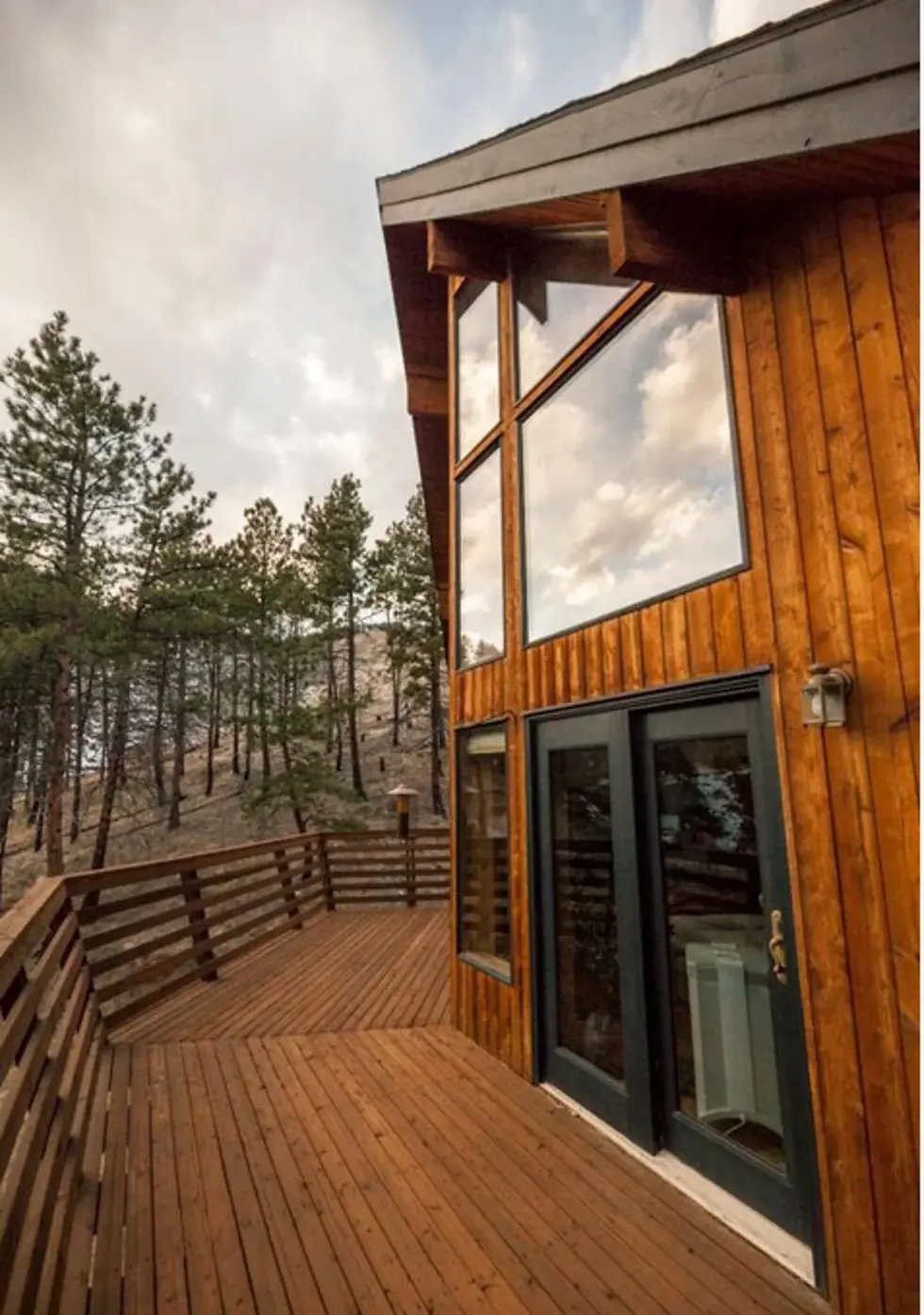
Mountain ranch vacations are immersive multi-day retreats that combine outdoor adventure, private wilderness lodging, and curated activities on working or recreational ranch properties across the American West. In 2026, demand for this style of travel has accelerated sharply: according to Inntopia market data, summer on-the-books occupancy for Colorado and Utah mountain properties is up 4% year-over-year, with average daily rates climbing 7.9% to levels not seen since the post-pandemic bounce of 2022 and 2023. If you are planning a ranch escape this year, the window to book well is narrower than it used to be.
Mountain ranch vacations span a wide range, from rustic all-inclusive dude ranches to private luxury retreats with spa amenities, starting around $300 per night and climbing past $1,000 for premium properties.
Montana (particularly near Yellowstone) dominates the dude ranch category, but Colorado properties near Boulder offer a compelling alternative with proximity to Denver, established trail systems, and year-round access.
Book at least 60-90 days in advance for peak summer dates (July and August); the average Boulder Airbnb booking lead time is 68 days, and premium ranch properties typically fill earlier (AirROI 2026).
The most important planning decision is matching ranch type to your group: all-inclusive dude ranches work well for families seeking structure; private luxury retreats suit couples and small groups prioritizing wellness and seclusion.
Summer 2026 revenue across western mountain markets is up 12.1% year-over-year on-the-books, the highest comparable-period gain since the post-pandemic spike, meaning availability is tighter and prices are higher than in recent years (Inntopia, 2026).
The Rusty Skillet Ranch near Boulder offers a credible luxury alternative to Montana mega-ranches: 12 private acres, a handcrafted Japanese cedar hot tub, an 8-person barrel sauna, and a chef's kitchen, all 15 minutes from downtown Boulder.
The ranch vacation category has quietly matured. What once meant dusty bunkhouses and trail rides has expanded into a spectrum running from genuine working cattle ranches to architect-designed A-frame retreats with spa facilities. For travelers coming from Denver, the Front Range, or flying into Denver International Airport, Colorado offers a geographic advantage that Montana simply cannot: you can be at a private mountain property in under an hour from the city. That convenience matters, especially for long weekend trips or corporate wellness retreats where travel time eats into recovery time.
This guide focuses on how to actually plan a mountain ranch stay, not just inspire you to want one. You will find a practical framework for choosing between ranch types, realistic pricing tiers, guidance on when to book, and specific property details for both the iconic Montana ranches and the Colorado options that most travel guides overlook. At The Rusty Skillet, where we have welcomed guests from across the country seeking genuine mountain immersion near Boulder, we have seen firsthand what separates a transformative ranch stay from an expensive disappointment. The difference almost always comes down to matching expectations before you arrive.

What Makes a Mountain Ranch Vacation Different from a Regular Mountain Trip?
A mountain ranch vacation is a specific category of lodging and experience defined by private or semi-private land access, activity programming rooted in the property's natural setting, and accommodations that lean into ranch or wilderness character rather than hotel-style anonymity. The key differentiator is immersion: you are not staying near the mountains, you are staying in them, with the land itself as part of the experience.
Traditional mountain trips typically center on a town, resort, or hotel as a base, with the wilderness as a day-trip destination. Ranch vacations invert that model. The property is the destination. Activities like horseback riding, fly fishing, guided hiking, and farm-to-table meals happen on or immediately adjacent to the land you are renting. This structure suits travelers who want less logistics and more depth, specifically those who would rather spend three days exploring 12 private acres than three days driving between trailheads.
For comparison, consider the structural difference between Lone Mountain Ranch in Big Sky, Montana (a 150-acre all-inclusive resort with 25 cabins, 80 kilometers of Nordic trails, and an on-site dining program including the Horn and Cantle Restaurant) and a private luxury retreat like The Rusty Skillet near Boulder. The former is a full resort experience with programming and communal dining built in. The latter prioritizes total seclusion, self-directed schedules, and curated amenities like a handcrafted Japanese cedar soaking tub and an 8-person cedar barrel sauna. Both qualify as mountain ranch vacations; they serve different traveler personalities.
The honest question to ask yourself is: do you want staff, structure, and activities handed to you, or do you want a private mountain environment you can use on your own terms? Your answer determines everything else in this guide.
Step 1: Choose the Right Type of Ranch for Your Group
Mountain ranch vacation properties fall into three distinct categories, each with different pricing structures, activity models, and ideal guest profiles. Matching the category to your group is the single most impactful planning decision you will make.
All-Inclusive Dude Ranches
All-inclusive dude ranches bundle accommodations, meals, and activities into a single per-person daily rate, typically ranging from $500 to $1,200 per person per night at premium properties. The model traces back to the early 20th century: Lone Mountain Ranch in Big Sky has operated for over 100 years, opening to guests in the 1930s, while Mountain Sky Guest Ranch in Emigrant, Montana dates to 1929. These ranches include guided horseback riding, fly fishing, and programming like the summer Tuesday-night rodeo at Lone Mountain Ranch. Hawley Mountain Guest Ranch north of Yellowstone operates at the more accessible end of the price spectrum, capping groups at 20 guests and offering communal meals that create a deliberate ranch-family atmosphere. The dude ranch model suits families, multi-generational groups, and travelers who want activities organized for them without needing to plan each day independently.
Private Luxury Retreats on Ranch Land
Private luxury retreats offer exclusive-use properties on acreage, with no shared dining rooms or programmed activities. Pricing typically runs $400 to $900 per night for the full property, making them cost-competitive with dude ranches when split among four to eight guests. The Rusty Skillet Ranch outside Boulder represents this category well: a custom-remodeled A-frame on 12 completely private acres, with a handcrafted Japanese cedar soaking tub, 8-person cedar barrel sauna with a panoramic glass wall, a chef's kitchen equipped with Wolf and Bosch appliances, and a 1,000-square-foot great room with 28-foot vaulted ceilings. Base pricing covers up to four guests, with an optional lower-level suite available for an additional $250 per night that sleeps up to six more, bringing total capacity to twelve. This model works best for couples, small groups, and corporate wellness retreats that value privacy over programming. For more on what a wellness-focused private retreat looks like in practice, the wellness retreats and spa escapes category covers the details.
Working Ranch Stays
Working ranch stays place guests in an authentic agricultural environment, often including optional participation in cattle work, fence repair, or farm chores. These properties are typically the most rustic of the three categories and the most geographically concentrated in Wyoming, Montana, and Idaho. Hawley Mountain Guest Ranch nods toward this model with its cattle work activities and ghost town Jeep excursions. Pricing varies widely and is often the most affordable of the three categories, though amenity expectations should be calibrated accordingly.
Ranch Type | Typical Nightly Range | Best For | Activity Model |
All-Inclusive Dude Ranch | $500-$1,200 per person | Families, multi-gen groups | Fully programmed |
Private Luxury Retreat | $400-$900 per property | Couples, small groups, wellness | Self-directed |
Working Ranch Stay | $200-$500 per person | Authentic seekers, budget-conscious | Participatory |
Step 2: Pick Your Geography and Understand the Trade-Offs
Mountain ranch vacation geography matters more than most travel guides acknowledge. Montana near Yellowstone, Colorado's Front Range, Wyoming's Jackson Hole corridor, and Arizona's Sonoran Desert ranches all deliver fundamentally different experiences, and the travel logistics between them are significant.
Montana dominates the dude ranch conversation for good reason. Lone Mountain Ranch sits 18 miles beyond the northwest border of Yellowstone National Park, with Bozeman Airport only 40 minutes away. The combination of Yellowstone access, Nordic trail systems, and wilderness scale is genuinely hard to match. Mountain Sky Guest Ranch in Paradise Valley adds a Johnny Miller-designed golf course (the Rising Sun Golf Course, opened in 2011) and access to the Yellowstone River for Class II and III white-water rafting. If your group wants maximum wilderness scale and classic Western ranch programming, Montana is the right choice.
Colorado's advantage is proximity to a major metro area without sacrificing mountain character. Denver International Airport is 45 miles from the Boulder area, a roughly 50-minute drive. The Rusty Skillet Ranch sits just 15 minutes from downtown Boulder and 40 minutes from Denver, which means guests arriving on a Friday evening can be soaking in a cedar hot tub before 9 PM. Bear Canyon Trail is about 8 minutes from the property, Chautauqua Park is 10 minutes away, and Rocky Mountain National Park is roughly 90 minutes north. If you are coming from Denver or flying into DIA for a long weekend, losing two days of travel to reach a Montana ranch changes the calculus entirely.
For Denver weekend getaways, the Boulder corridor offers the best combination of access, elevation, and genuine wilderness character of any option within a 90-minute drive of the city. The Boulder hiking guide from the official tourism bureau covers trail options for every fitness level, from easy creek-side walks to technical ascents near the Indian Peaks Wilderness.

Step 3: Set Your Budget and Understand What You Are Actually Paying For
Mountain ranch vacation pricing is one of the most opaque areas in all of travel planning. Most ranch websites list packages without nightly rates, require a phone call for pricing, or bundle so many inclusions that cost comparison becomes nearly impossible. This section breaks down what you are actually paying for at each tier.
At all-inclusive dude ranches, the headline per-person rate covers lodging, all meals, and most activities. Lone Mountain Ranch's Winter Discovery package, for example, includes transportation, daily meals at Horn and Cantle, Nordic skiing access, a Sleigh Ride Dinner, and Ski Butler service. When you divide that total cost across a week for a family of four, the per-night figure often compares favorably to booking a hotel plus separate dining and lift tickets. The trap to avoid: assuming all activities are included. Most ranches have premium add-ons like guided fly fishing excursions, spa treatments, or off-site tours to Yellowstone that carry separate fees.
At private luxury retreats, pricing is per-property rather than per-person, which fundamentally changes the math for groups of four or more. According to AirDNA market data, Boulder's short-term rental average daily rate is currently $363.40, up 3% year-over-year. Top-quartile Boulder listings achieve $231 or more in RevPAR (AirROI 2026). At The Rusty Skillet Ranch, the base rate covers up to four guests; additional guests are $50 per person per night, and the optional lower-level suite adds $250 per night and sleeps up to six more. For a group of eight splitting the cost, the nightly per-person figure often falls well below the all-inclusive dude ranch rate, without sacrificing luxury.
The practical budget categories for 2026 planning:
Budget ranch stays: $150-$300 per person per night, typically working ranches or older dude ranch properties with limited amenities.
Mid-range: $300-$600 per person per night at established dude ranches like Hawley Mountain Guest Ranch, or private retreats split among four to six guests.
Premium luxury: $600-$1,200 per person per night at Lone Mountain Ranch, Mountain Sky Guest Ranch, and exclusive private properties with concierge-level amenities.
One detail most guides skip: tipping culture at all-inclusive ranches is robust. Budget an additional 15-20% of your package cost for staff gratuities at dude ranches. Private rentals like The Rusty Skillet do not operate on a tipping model, which simplifies the financial picture considerably.
Step 4: Time Your Booking and Understand Seasonal Demand
Booking timing for mountain ranch vacations in 2026 is more critical than it has been in recent years. According to Inntopia market data published in March 2026, summer booking lead times for Colorado and Utah mountain properties have extended from 37.8 days to nearly 50 days year-over-year, driven partly by travelers redirecting winter travel plans toward summer mountain escapes. For peak summer dates (July and August), 90 days of advance lead time is a reasonable minimum for quality properties.
The seasonal pattern for the Boulder/Colorado mountain market follows a clear arc. Peak season runs June through August, with July being the single highest-revenue month; average monthly Airbnb revenue during peak season reaches $7,376, with occupancy averaging 60.7% and average daily rates around $371 (AirROI 2026). The shoulder seasons (September-October and April-May) offer meaningful availability improvements and the same trail access, with the added benefit of smaller crowds on routes like Bear Canyon and Chautauqua. Low season (January, February, April) sees occupancy drop to an average of 33.4%, and nightly rates remain close to peak levels at around $363.
For all-inclusive Montana ranches, the seasonal structure differs. Summer family season runs roughly June through August, with fall adult-only packages at Mountain Sky Guest Ranch typically scheduled for September and October. Winter packages at Lone Mountain Ranch, centered on Nordic skiing, dogsledding, and Yellowstone tours, run December through March. The practical advice: identify your preferred season first, then work backward 90-120 days from your target dates to set a booking deadline.
One gap most booking guides ignore entirely: cancellation policies. Premium dude ranches typically require substantial deposits (30-50% of the package total) and enforce strict cancellation windows, often 60-90 days before arrival with no refund. Private rentals vary by platform and host. Always confirm the cancellation policy before paying a deposit, and consider travel insurance for any booking above $2,000 total.
Step 5: Plan Activities That Match Your Actual Fitness Level
Mountain ranch vacation activity planning is where the gap between expectation and reality tends to be widest. Most ranch marketing shows guests on horseback or casting fly lines into pristine rivers, with no mention of fitness prerequisites, altitude adjustment periods, or the difference between a guided half-day excursion and a full backcountry day.
Horseback riding, the signature activity at most dude ranches, typically requires the ability to mount a horse independently, maintain an upright seated posture for 1-3 hours, and tolerate moderate terrain. Hawley Mountain Guest Ranch restricts horseback riding to guests ages 6 and up. Lone Mountain Ranch offers rides calibrated by experience level, from slow trail walks to more technical mountain terrain. If your group includes guests with hip, knee, or back limitations, call the ranch before booking and ask specifically about accessible riding options. Most ranches will accommodate thoughtfully if you ask in advance.
Altitude is a genuine factor that even experienced hikers underestimate. Boulder sits at 5,430 feet. Many trails in the surrounding Front Range climb to 8,000-10,000 feet within a few miles. The Boulder hiking guide provides difficulty ratings for area trails, but pace yourself for the first 24-48 hours regardless of your fitness level at sea level. Common symptoms of mild altitude adjustment include headaches, mild shortness of breath, and disrupted sleep. Drinking extra water and avoiding alcohol on your first evening helps significantly.
For guests at The Rusty Skillet Ranch, the property's location puts Chautauqua Park 10 minutes away and Bear Canyon Trail about 8 minutes from the front door. Both offer options ranging from accessible flat creek-side walks to more demanding ridge climbs. If you want to maximize hiking time without spending 30 minutes driving to a trailhead each morning, the proximity is a genuine logistical advantage. The outdoor adventures near Boulder section of The Rusty Skillet blog covers seasonal trail conditions and specific route recommendations for guests at all fitness levels.

Step 6: Prepare for the Stay Itself
Mountain ranch vacation preparation involves logistics that most hotel trips do not require, and skipping them creates friction that diminishes the first day or two of your stay.
What to Pack That Most Guests Forget
Layering is not optional at elevation. Even in July, Colorado mountain mornings regularly run 45-55 degrees Fahrenheit before warming to the 70s or 80s by afternoon. Pack a fleece or lightweight down jacket for morning hot tub sessions (yes, soaking in a cedar tub when it is 48 degrees outside is one of the genuinely distinctive pleasures of a mountain ranch stay). Bring water shoes or sandals with ankle support for creek access. If the property has a barrel sauna, bring a lightweight towel and a change of clothing; the heat-to-cold contrast with mountain air or a cold creek is the point of the experience, not incidental to it.
For stays at private luxury retreats, confirm grocery logistics before arrival. Properties with chef's kitchens like The Rusty Skillet's Wolf induction cooktop and Bosch steam oven invite serious cooking, but the nearest grocery store may be 15-25 minutes away. Order a grocery delivery to the property for your arrival date or stop on the way in from Denver. Pearl Street Mall in Boulder is about a 15-minute drive from The Rusty Skillet and anchors a neighborhood with excellent food shopping and restaurant options for nights when cooking is not the plan. The Pearl Street Mall guide covers the best food and shopping options in that corridor.
Arrival Day Logistics
Mountain road navigation deserves specific attention. Many ranch properties sit on unpaved or partially paved roads that are well-maintained in summer but require four-wheel-drive or AWD in winter and early spring. Check the property's access road conditions before departure, particularly in March-May when snowmelt creates mud season. Most Colorado mountain property managers will advise on current road conditions if you ask. Arriving at a luxury property in a rental sedan with two-wheel drive during mud season is avoidable with one phone call.
How Do You Choose Between a Colorado Ranch Retreat and a Montana Dude Ranch?
The Colorado versus Montana choice for mountain ranch vacations in 2026 comes down to four variables: travel time, group composition, activity preferences, and budget structure. Neither option is objectively better; they serve different trip goals.
Montana wins on wilderness scale, iconic Western programming, and the specific draw of Yellowstone proximity. If your group wants guided fly fishing on the Yellowstone River, dogsledding, or a classic all-inclusive experience where every meal is handled, Lone Mountain Ranch or Mountain Sky Guest Ranch deliver at a level that Colorado properties do not attempt to replicate. The trade-off is real: both require flights to Bozeman or Billings, which adds at least half a day to each end of any trip.
Colorado wins on access, year-round availability, and the combination of mountain seclusion with urban proximity. For Denver and Front Range travelers, the math is straightforward: a private retreat 15-40 minutes from the city loses nothing to a Montana ranch on the experience side and gains two full travel days. For out-of-state visitors flying into Denver International Airport, the 50-minute drive to Boulder puts them at a property like The Rusty Skillet faster than Montana visitors can reach most Big Sky ranches from Bozeman.
The wellness-focused private retreat model also suits shorter trips better than the dude ranch model. Most all-inclusive ranches operate on weekly packages, particularly in summer; showing up for two nights at Lone Mountain Ranch is difficult to arrange. Private rentals like The Rusty Skillet accommodate three-night and four-night stays readily, which fits the long-weekend travel pattern of most working professionals. For more perspective on what distinguishes a genuine luxury mountain cabin from a marketing-inflated alternative, the comparison at Boulder hotels vs. luxury cabins offers useful framing.
Frequently Asked Questions About Mountain Ranch Vacations
How far in advance should I book a mountain ranch vacation in 2026?
Book premium mountain ranch vacations at least 90 days before your target dates during peak summer season (June through August). According to AirROI 2026 data, the average Boulder Airbnb booking lead time is 68 days, and top-quartile properties book faster. For all-inclusive dude ranches in Montana, popular summer weeks at properties like Lone Mountain Ranch and Mountain Sky Guest Ranch often fill 4-6 months in advance. Fall and winter dates offer more flexibility, typically 30-60 days of lead time.
What is the difference between a dude ranch and a private mountain ranch rental?
A dude ranch is an all-inclusive resort on ranch land where meals, activities, and programming are provided as part of a single package rate, typically $500-$1,200 per person per night at premium properties. A private mountain ranch rental is an exclusive-use property where you book the entire land and home, set your own schedule, and manage your own meals. Private rentals like The Rusty Skillet Ranch near Boulder offer more flexibility and privacy, and are often more cost-effective for groups of four or more splitting the nightly rate.
What should I know about altitude before a Colorado mountain ranch vacation?
Boulder sits at 5,430 feet elevation, and many trails in the surrounding area climb to 8,000-10,000 feet. Altitude adjustment symptoms including mild headaches, shortness of breath, and disrupted sleep are common for the first 24-48 hours, even for fit travelers arriving from sea level. Drink extra water, avoid alcohol on your first evening, and plan lighter activities for your arrival day. If you are traveling from outside Colorado, add an altitude buffer day to the beginning of your itinerary before scheduling demanding hikes.
Are mountain ranch vacations suitable for guests with limited mobility?
Suitability varies significantly by property type. All-inclusive dude ranches offer a wide activity menu, but horseback riding typically requires independent mounting and sustained seated posture; Hawley Mountain Guest Ranch restricts riding to guests ages 6 and up, and most ranches have weight limits of 225-250 pounds for riding. Private retreat properties vary by layout and terrain. Before booking any ranch property, call directly and describe specific accessibility needs. Most reputable properties will give you an honest assessment rather than lose a booking over a mismatch.
What is the best season for a mountain ranch vacation near Boulder, Colorado?
July and August offer peak trail conditions, warm afternoon temperatures in the 70s to mid-80s, and access to all outdoor amenities including outdoor showers and creek swimming. According to AirROI 2026 data, July is the highest-revenue month for Boulder properties, which reflects genuine demand. September and October are worth serious consideration: crowds thin noticeably, aspen foliage peaks in late September, and daytime temperatures remain comfortable for hiking. Winter stays (December through March) are best suited for guests specifically seeking snow activities, hot tub soaking, and sauna culture.
Can mountain ranch vacation properties accommodate corporate wellness retreats?
Yes, private ranch properties with sufficient capacity work well for corporate wellness retreats, particularly for groups of 8-15 people seeking a structured break from office environments. The Rusty Skillet Ranch accommodates up to 12 guests when the optional lower-level suite is booked, and the property's 12 private acres, barrel sauna, cedar hot tub, and dedicated office space with a 32-inch external monitor support both focused work sessions and full disconnection. For larger corporate groups requiring 20 or more participants, dude ranches like Lone Mountain Ranch and Mountain Sky Guest Ranch offer group buyout options.
What does a Japanese cedar hot tub offer that a standard acrylic hot tub does not?
A Japanese cedar soaking tub is a traditional wooden vessel crafted from hinoki or similar cedar wood using joinery techniques, filled with fresh water heated externally rather than via the pressurized jet systems of acrylic spas. The wood imparts a subtle natural scent, regulates temperature more evenly, and creates a distinctly different soaking experience: quieter, simpler, and more meditative than a jet-driven spa tub. The cedar tub at The Rusty Skillet Ranch is handcrafted and operates year-round, making it functional in winter snow as well as summer evenings. For more on the cedar tub experience specifically, this deep-dive on the Japanese cedar hot tub and barrel sauna covers the practical details.
Plan Your Mountain Ranch Vacation with Confidence
Mountain ranch vacations reward deliberate planning and penalize last-minute improvisation more than almost any other category of travel. The guests who arrive at a ranch property having matched the right type to their group, booked at the right time, and prepared for elevation and logistics come away with the kind of trip that recalibrates how they think about vacation. The guests who booked based on a single Instagram photo and assumed all ranches are roughly the same tend to spend the first day recalibrating their expectations downward.
The practical summary: decide first whether you want programmed activities or total privacy. If programming matters, look seriously at Lone Mountain Ranch or Mountain Sky Guest Ranch in Montana, both of which have earned their reputations over decades. If privacy, flexibility, and proximity to a major airport matter more, a private Colorado retreat in the Boulder corridor gives you genuine mountain immersion without sacrificing two days to regional air travel. Book 90 days out for summer dates, confirm your cancellation policy in writing before paying a deposit, and pack layers regardless of the forecast.
In 2026, the mountain ranch vacation market is as competitive as it has been in years. Demand is rising faster than supply, and the best properties at every price tier fill earlier each season. That is not a reason to rush; it is a reason to decide what you actually want before you start searching.

If you are planning a Colorado mountain ranch stay, The Rusty Skillet Ranch earns a serious look. The cedar hot tub and barrel sauna work as a genuine wellness pairing in a way that few private rentals in the Boulder area can match, and the 12 private acres put you in the mountains without sacrificing access to Bear Canyon, Chautauqua, or Boulder's Pearl Street for evening meals. Check current availability here.



Comments