A Local's Guide to the Best Things To Do in Colorado Boulder
Updated: Aug 31
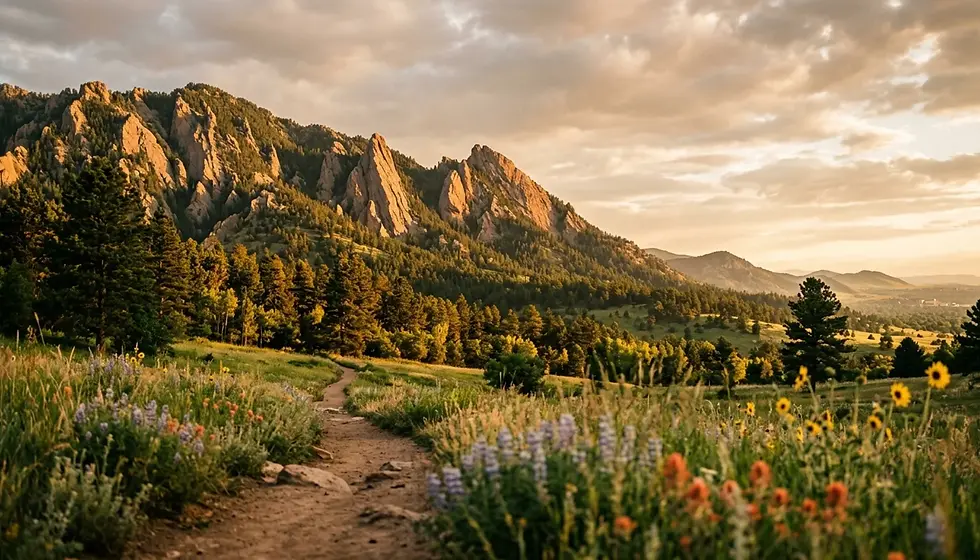
Boulder, Colorado is one of the most activity-rich small cities in the American West, where you can hike the iconic Flatirons before breakfast, eat at a James Beard-recognized restaurant for lunch, and soak in an outdoor cedar hot tub under a mountain sky by evening. Whether you have a single afternoon or a full week, the things to do in Colorado Boulder span every interest from serious trail running to serious coffee culture.
Boulder sits at 5,430 feet elevation on the eastern edge of the Rocky Mountains, with over 300 miles of trails accessible from the city limits according to the City of Boulder Open Space and Mountain Parks program.
Pearl Street Mall is Boulder's walkable downtown core, a four-block pedestrian mall featuring independent shops, restaurants, and free street performances year-round.
Chautauqua Park, 2.8 miles from The Rusty Skillet Ranch, is the most popular single trailhead in Boulder and connects directly to the Flatirons, the city's defining geological landmark.
Boulder has earned recognition as America's Foodiest Town by Bon Appétit and appears on Forbes's list of five secret foodie cities, validating a dining scene that punches well above the city's 105,000-person population.
Downtown Boulder hosts events 365 days a year, from sunrise yoga sessions to major street festivals, managed by the Downtown Boulder Partnership.
The Rusty Skillet Ranch sits 15 minutes from downtown Boulder and 40 minutes from Denver, making it a practical home base for exploring the entire Front Range.
TL;DR
Hiking the Flatirons via Chautauqua Park is the single most iconic outdoor experience in Boulder, best attempted on weekdays before 9am to avoid trailhead congestion.
Pearl Street Mall is walkable, free to explore, and surrounded by Boulder's best independent coffee shops, restaurants, and live street performance.
Boulder's farm-to-table dining scene includes Michelin-recognized restaurants; the best value for quality is lunch at The Kitchen or a weeknight dinner at Frasca Food and Wine if you book weeks ahead.
The Boulder Farmers Market runs Saturdays at 13th Street and Canyon Boulevard from April through November, consistently rated among Colorado's best weekly markets.
Eldorado Canyon State Park, 8 miles from The Rusty Skillet Ranch, is the go-to for world-class rock climbing and creek-side hiking when Chautauqua gets crowded.
In 2026, summer booking lead times for Boulder-area accommodations have stretched to nearly 50 days ahead of arrival, so plan accordingly if you want a specific weekend.

What Are Some Things To Do in Boulder, Colorado?
Boulder, Colorado offers a concentrated mix of world-class outdoor recreation, a nationally recognized dining scene, and a walkable downtown core that few cities its size can match. Specifically, the city's most compelling activities fall into four categories: mountain hiking and climbing, Pearl Street culture and dining, wellness and spa experiences, and day trips to Rocky Mountain National Park or Eldorado Canyon. According to the Official Boulder Colorado USA tourism website, outdoor recreation is the primary driver for most visits.
Here are the specific activities worth your time, ranked by the kind of traveler most likely to love them.
1. Hike the Flatirons at Chautauqua Park
Chautauqua Park is the gateway to the Flatirons, the five tilted sandstone slabs that appear on every Boulder postcard and serve as the city's most recognizable landmark. The Royal Arch Trail is the most rewarding moderate hike at 3.4 miles round trip, climbing through a ponderosa pine forest to a natural stone arch with sweeping views over the city. Start before 8am on weekends to find parking in the main lot; by 9:30am on a Saturday in July, you will be circling. Admission to the park is free.
The trailhead sits 2.8 miles from The Rusty Skillet Ranch, which translates to about a 10-minute drive. For guests who want a faster loop, the Chautauqua Trail itself is just 1.6 miles and still delivers the signature Flatirons backdrop. The Boulder hiking guide published by the city's tourism board lists over a dozen trail options launching from this single trailhead.
2. Explore Pearl Street Mall
Pearl Street Mall is a four-block brick pedestrian mall in the heart of downtown Boulder, lined with independent bookshops, jewelers, outdoor gear retailers, and restaurants that range from casual tacos to white-tablecloth tasting menus. Street performers set up at the 1300 block most afternoons, and the Saturday energy from April through October borders on festival atmosphere. The mall sits 0.6 miles from The Rusty Skillet Ranch, roughly a two-minute drive or a pleasant 12-minute walk along Boulder Creek Path.
For a complete Pearl Street experience, read our Pearl Street Mall guide which covers the best shops, restaurants, and timing by season. The honest caveat: summer weekends are genuinely crowded. If you want the mall at its most local, visit on a Tuesday or Wednesday morning when residents outnumber tourists three to one.
3. Eat and Drink Your Way Through Boulder's Restaurant Scene
Boulder's dining scene is legitimately one of the best in Colorado, with farm-to-table restaurants that source from the Boulder County farm trail and chefs with serious national recognition. The two restaurants worth planning a night around are The Kitchen Boulder, a farm-to-table institution on Pearl Street that helped define Boulder's food identity, and Frasca Food and Wine, a northern Italian restaurant that has appeared multiple times in James Beard Awards coverage and requires reservations at least three to four weeks out.
For something more casual, Blackbelly on Arapahoe Avenue runs its own farm and serves charcuterie and whole-animal dishes that reflect a level of sourcing commitment most restaurant groups only talk about. The bar seats are first-come at Blackbelly, and the charcuterie board is the best value on the menu. See our full guide to where to eat and drink in Boulder, Colorado for neighborhood-by-neighborhood coverage.
4. Visit Eldorado Canyon State Park
Eldorado Canyon State Park is Boulder's open secret for rock climbing and technical hiking. Located 8 miles from The Rusty Skillet Ranch, the canyon walls rise 700 feet above Eldorado Creek and host some of the best traditional climbing routes in Colorado. Day hikers who are not climbers should take the Rattlesnake Gulch Trail, a 5.2-mile round trip that climbs to a rocky overlook and the ruins of the Crags Hotel, which burned in 1912. Parking fees apply; as of 2026, Colorado State Parks requires a vehicle day pass or annual parks pass.
The canyon fills up fast on summer weekends. Arrive by 7:30am to guarantee parking, or visit on a weekday when the lot rarely overflows. This is the right alternative when Chautauqua trailheads are backed up.

5. Ride the Boulder Creek Path
The Boulder Creek Path is a paved multi-use trail that runs roughly 5.5 miles through the heart of the city, following Boulder Creek from the Foothills to 55th Street. It is the connective tissue of Boulder's outdoor life, and locals use it daily for running, cycling, and walking. Rental bikes are available through the BCycle bike-share program with stations throughout downtown. The path passes directly through Eben G. Fine Park, 0.4 miles from The Rusty Skillet Ranch, where the creek is wide enough to wade in during summer.
The Boulder Creek Path is genuinely free and genuinely local. You will not find tour buses or souvenir stands. You will find CU Boulder students, trail runners, and families with dogs. That is the accurate picture of who uses it.
6. Discover Boulder's Coffee Culture
Boulder takes coffee seriously, and the independent roaster scene is worth a dedicated morning. Boxcar Coffee Roasters on Pearl Street is the starting point: single-origin pour-overs, a bright industrial space, and beans sourced with the same care that Boulder restaurants give to farm produce. Verb Coffee Roasters near the Hill neighborhood is the local consensus pick for best espresso drinks, with small-batch seasonal offerings that rotate frequently.
For atmosphere over extraction precision, Trident Booksellers and Café on Pearl Street has been a Boulder institution for over 45 years. The combination of floor-to-ceiling bookshelves, live events like poetry readings and acoustic performances, and a genuinely eclectic crowd makes Trident the closest thing Boulder has to a literary salon. Skip it if you are in a rush; the service moves at a thoughtful pace.
7. Attend a Downtown Boulder Event
Downtown Boulder hosts community events 365 days a year, ranging from sunrise yoga on the pedestrian mall to major street festivals and artist spotlight evenings. The Downtown Boulder Events Calendar, managed by the Downtown Boulder Partnership, is the authoritative source for what is happening any given week. Summer brings the Boulder Creek Festival, which historically draws over 100,000 visitors across Memorial Day weekend, and fall transitions into harvest-themed markets and gallery walks. The Downtown Boulder organization also publishes a weekly Foodie Friday Blog that is genuinely useful for tracking new restaurant openings and seasonal menus.

8. Shop the Boulder Farmers Market
The Boulder Farmers Market runs every Saturday from April through mid-November at 13th Street and Canyon Boulevard, one block from Pearl Street Mall. Over 150 vendors sell locally grown produce, prepared foods, cut flowers, artisan cheese, and fermented goods. It is also genuinely affordable for a famers market of its caliber: fresh sweet corn from local farms typically runs $5-7 per dozen in peak summer, and the breakfast burrito vendors offer some of the best street food value in the city.
The Wednesday market at the same location (June through October, 4pm-8pm) draws a smaller, more local crowd and is worth choosing over Saturday if you dislike crowds. Arrive at the Saturday market by 8:30am if you want first pick of the heirloom tomatoes; by 10am the best vendors are often sold out of their premium items.
9. Soak in a Japanese Cedar Hot Tub Under the Stars
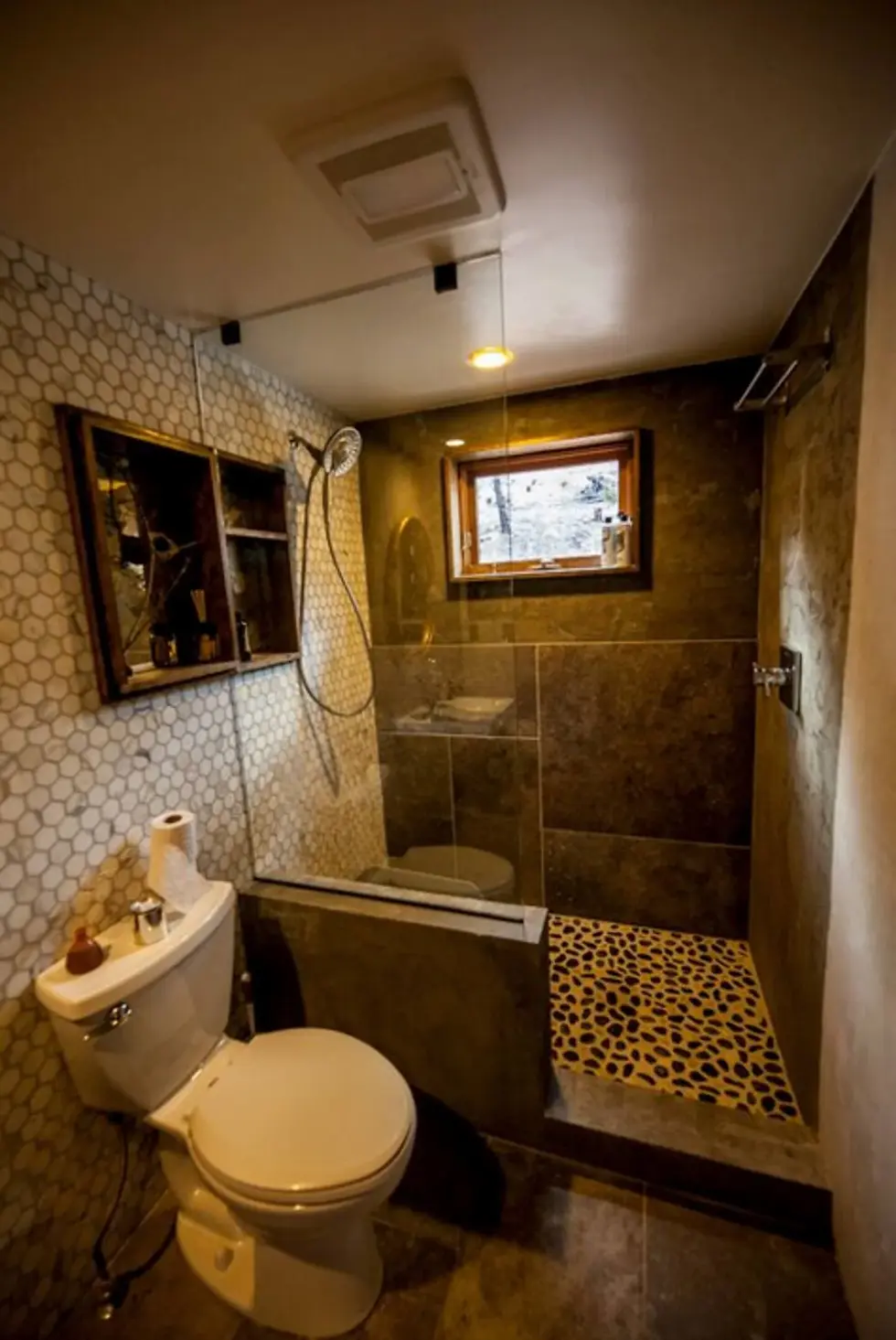
After a day on the trails, the recovery ritual matters as much as the hike itself. The Rusty Skillet Ranch, 15 minutes from downtown Boulder on 12 private acres, features a handcrafted Japanese cedar soaking tub available year-round. Unlike a standard acrylic hot tub, a Japanese cedar tub soaks heat into the wood grain and holds temperature through Colorado's cold nights, creating a fundamentally different and more grounding experience. The cedar tub at the ranch overlooks a year-round creek and towering pines, with no neighboring properties visible. For guests combining outdoor activity with intentional recovery, this is the right base camp.
10. Day Trip to Rocky Mountain National Park
Rocky Mountain National Park begins approximately 48 miles from Boulder, a drive of roughly 90 minutes depending on the entry point and summer traffic. The park encompasses over 415 square miles, with Trail Ridge Road crossing above 12,000 feet and providing some of the most accessible high-alpine scenery in the country. The most popular hike for first-time visitors is the Bear Lake Loop, a 0.8-mile flat trail that connects to longer routes including Nymph, Dream, and Emerald Lakes. If you want a more serious day hike, the Flattop Mountain Trail gains 2,849 feet over 4.4 miles.
Book a timed entry permit well in advance. As of 2026, the National Park Service requires timed entry reservations for Rocky Mountain National Park from late May through mid-October. Permits sell out weeks ahead for peak summer dates. The Boulder outdoor recreation guide includes a helpful section on planning the Rocky Mountain day trip from the city.
How To Spend a Day in Boulder?
The ideal single day in Boulder, Colorado follows a morning-to-evening arc that combines outdoor activity, local food culture, and downtown exploration. First, start at the Chautauqua trailhead by 7:30am for a two-hour hike on the Royal Arch or First Flatiron Trail before the parking lot fills. Specifically, this gives you the mountain light that photographers chase and the cool morning temperatures that make a 1,500-foot elevation gain manageable. Return by 10am, shower, and drive 12 minutes to Pearl Street.
For brunch or late breakfast, the Pearl Street corridor and the streets immediately south of it have multiple options within easy walking distance. The Boulder Farmers Market at 13th and Canyon runs Saturday mornings from April through November, making it a natural anchor for a Saturday itinerary. Spend the afternoon exploring Pearl Street's independent shops and coffee scene, then plan dinner at The Kitchen Boulder or a reservation at Frasca Food and Wine if you planned ahead. End the evening at The Rusty Skillet's cedar hot tub or barrel sauna if you are staying there. That sequence genuinely captures what makes Boulder different from a standard Colorado mountain town.
Is Boulder, CO Worth Visiting?
Boulder, Colorado is worth visiting for travelers who want a city that delivers both outdoor adventure and genuine urban quality in a compact, walkable format. According to the Downtown Boulder Partnership's 2026 Downtown Intercept Survey, more than two-thirds of visitors reported their Boulder experience was better than expected, and over 60% said they would be extremely likely to recommend Boulder to friends as a leisure destination. Those are unusually strong satisfaction numbers for a tourist destination.
The honest case for Boulder involves four specific strengths. First, the outdoor access is immediately convenient: you can drive from a downtown restaurant to a serious trailhead in under 15 minutes. Second, the food and coffee scene is legitimately excellent relative to the city's size, with Boulder Michelin-recognized restaurants operating alongside approachable neighborhood spots. Third, Pearl Street Mall creates a downtown core that rewards wandering in a way that mall-anchored Colorado resort towns do not. Fourth, Boulder's position as a base camp is exceptional: Rocky Mountain National Park, Eldorado Canyon State Park, and the high-altitude Indian Peaks Wilderness are all within a 90-minute drive.
The honest caveat: Boulder is not cheap. Hotel rooms on summer weekends regularly exceed $250 per night for mid-tier properties. Parking downtown costs $1-2 per hour in city garages. And the crowds at Chautauqua on a summer Saturday are real. Plan around those realities and Boulder rewards you generously. Our comparison of Boulder hotels versus luxury cabin stays breaks down the cost and experience trade-offs in detail.
What Are Boulder's Best-Kept Neighborhood Secrets?
Boulder's most interesting neighborhoods for visitors extend well beyond Pearl Street, and most travel guides stop at the pedestrian mall. The Hill neighborhood, immediately west of CU Boulder's campus along 13th Street, is Boulder's most authentically local commercial strip, with independent record shops, used bookstores, and the legendary The Sink on The Hill, a hamburger and pizza institution that has been operating since 1949 and still has its original mid-century murals on the walls.
East Boulder along 28th Street and Arapahoe Avenue is where most of Boulder's international dining options cluster. Tibet Kitchen serves exceptional momos and thukpa in an unassuming strip-mall space that most visitors would drive past without a second look. Gurkhas Dumplings and Curry House on Walnut Street is the best bet for South Asian flavors in the city. For Japanese ramen in a full izakaya format, My Ramen and Izakaya on Pearl Street Avenue is consistently the most underrated dinner option in Boulder.
The North Boulder corridor along North Broadway has become the most interesting food block in the city over the past several years, anchored by Blackbelly and a growing cluster of independent restaurants. According to the 2026 Downtown Boulder Intercept Survey, out-of-state visitors to downtown Boulder spend nearly double per visit compared to Boulder County residents, which means most tourists are concentrating their spending downtown while the neighborhood gems go undiscovered. That gap is your opportunity.
What Should You Know Before Hiking in Boulder?
Boulder's trail system is genuinely accessible to most fitness levels, but several practical factors can affect your experience significantly. Here is what to understand before you lace up.
Altitude and Elevation: Boulder sits at 5,430 feet, and many trail destinations climb to 8,000-10,000 feet. If you are arriving from sea level, your aerobic capacity will feel reduced for the first 24-48 hours. Drink additional water, reduce your planned distance by 20-30%, and give yourself a slower pace. Anyone with heart conditions or respiratory issues should talk to their doctor before attempting high-elevation hikes above 8,000 feet.
Afternoon Thunderstorms: From June through August, afternoon lightning storms develop rapidly over the Flatirons and surrounding peaks. NOAA data consistently shows the highest lightning frequency in Colorado between 1pm and 4pm. Plan to be below treeline by noon on any hike that takes you above 10,000 feet. This is not a suggestion: above-treeline lightning exposure is the primary weather hazard for Boulder hikers.
Sun Exposure: Colorado's high-altitude UV index is meaningfully higher than at sea level. Sunscreen and a hat are not optional on exposed ridgelines, even in cooler months when the air temperature feels mild.
Trail Fitness Level: Chautauqua's main trails range from easy (the Mesa Trail lower sections) to strenuous (Royal Arch, First Flatiron). The Bear Canyon Trail, 2.1 miles from The Rusty Skillet Ranch, is a solid intermediate option that sees less traffic than the main Chautauqua loop and offers equally good Flatirons views. Beginners should start with the Chautauqua Meadow Loop, which is 1.6 miles with minimal elevation gain.
Wildlife Awareness: Black bears and mountain lions are present in the open space surrounding Boulder. Boulder's Open Space and Mountain Parks program recommends hiking in groups, keeping dogs leashed, and making noise on blind corners. Encounters are rare but not unprecedented.
What Makes Boulder Different From Other Colorado Mountain Towns?
Boulder, Colorado is distinct from other Colorado mountain towns primarily because it combines the intellectual and cultural density of a major university city with direct access to Rockies wilderness, something Aspen, Vail, and Telluride cannot offer in the same way. The University of Colorado Boulder enrolls approximately 38,000 students and brings a year-round cultural infrastructure, including performing arts venues, research institutions, and a food and coffee culture shaped by an educated, globally curious population.
Boulder was also incorporated in 1871, making it one of Colorado's oldest cities, and its history predates the ski resort boom that defined most famous Colorado destinations. The city's relationship with the mountains is one of daily, practical use rather than seasonal resort access. Locals hike before work. The biking infrastructure in Boulder is among the most developed of any American city, with over 300 miles of bike lanes and paths integrated into daily commuting patterns.
For visitors, this distinction matters practically: Boulder's activity options do not shut down between ski season and summer festival season. The outdoor adventures near Boulder are genuinely year-round, and the dining and cultural calendar reflects a city that entertains its own residents, not just tourists. That is a meaningful difference from a resort town built exclusively for seasonal visitors.
According to Colorado Tourism Office data cited in ColoradoBiz Magazine in April 2026, Colorado tourism generates $28.5 billion in economic activity and supports nearly half a million jobs statewide. Denver International Airport served a record 82.4 million passengers in 2026, with Boulder positioned as one of the primary day-trip and short-stay destinations for arriving travelers. The city benefits from that traffic without depending on a single seasonal draw.
What Are the Best Wellness Experiences in Boulder Beyond a Standard Hotel?
Boulder's wellness culture goes deeper than yoga studios and juice bars, and the best experiences combine outdoor activity with intentional recovery in settings that most hotel properties cannot provide. For travelers who want genuine wellness, the defining difference is access to private, high-quality spa amenities in a natural setting rather than a hotel gym or shared pool.
The Rusty Skillet Ranch, sitting on 12 private acres 15 minutes from downtown, is the most practical way to access that experience. The property's 8-person cedar barrel sauna uses a HUUM stone heater with a panoramic glass wall facing the forest, which creates a sauna session that is materially different from a standard gym sauna. The handcrafted Japanese cedar soaking tub holds heat differently than acrylic alternatives, and the outdoor shower overlooking the creek (available spring through fall) adds a sensory dimension that no indoor facility replicates. For couples or small groups prioritizing recovery alongside exploration, this combination of amenities in a private mountain setting is hard to find within 40 minutes of a major urban center like Denver.
For wellness-focused day activities in Boulder itself, the city has multiple float therapy studios, cold plunge facilities, and yoga studios concentrated near Pearl Street and on 28th Street. Our dedicated guide to true wellness retreats in Colorado covers the full spectrum from day treatments to multi-night retreat packages.
Frequently Asked Questions About Things To Do in Colorado Boulder
What are the top free things to do in Boulder, Colorado?
Boulder offers extensive free activities, including hiking all trails within the City of Boulder Open Space and Mountain Parks network, walking Pearl Street Mall, cycling the Boulder Creek Path, and attending many of the community events listed on the Downtown Boulder Events Calendar. The Boulder Public Library on Canyon Boulevard also offers free rotating art exhibitions and community programming. According to the free activities guide from Boulder's official tourism board, most of the city's best outdoor experiences cost nothing beyond parking.
How far is Boulder from Denver, and is it worth a day trip?
Boulder is approximately 30 miles northwest of downtown Denver, a drive of 45-60 minutes depending on traffic on US-36. The route is straightforward and well-signed, making Boulder the most popular day trip destination from Denver. Most visitors find that a single day is enough to cover Pearl Street Mall, one Chautauqua hike, and a meal, but two to three nights allow for a more complete experience that includes day trips to Eldorado Canyon and Rocky Mountain National Park.
When is the best time of year to visit Boulder, Colorado?
Late May through early October is the most popular window, with June and September offering the best balance of dry weather, trail conditions, and manageable crowds. July and August bring the most reliable sunshine but also the most visitors and afternoon thunderstorms above 8,000 feet. Winter in Boulder is genuinely mild at city elevation compared to mountain resorts, with many trails accessible year-round, making it a strong option for visitors who want mountain scenery without ski-resort pricing.
What is the best way to get around Boulder without a car?
Boulder's BCycle bike-share program covers most of the city with stations near Pearl Street, CU Boulder, and the main residential neighborhoods. The Boulder Creek Path connects the eastern neighborhoods to Chautauqua in under 30 minutes by bike. For destinations outside easy cycling range, like Eldorado Canyon or Rocky Mountain National Park, a rental car or rideshare is necessary. Rideshare surge pricing applies during major festivals and CU Boulder graduation weekends, so budget accordingly.
Are Boulder hiking trails suitable for beginners or families with children?
Yes, Boulder's trail system includes well-maintained beginner options appropriate for families and casual hikers. The Chautauqua Meadow Loop (1.6 miles, minimal elevation gain) and the Boulder Creek Path (paved, flat, 5.5 miles) are accessible for most fitness levels. The Bear Canyon Trail, 2.1 miles from The Rusty Skillet Ranch, is a solid step up for families wanting a slightly more adventurous hike with good Flatirons views. High-altitude trails above 9,000 feet should be reserved for experienced hikers or those who have acclimatized for at least one full day.
What Boulder restaurants are worth the splurge for a special occasion?
Frasca Food and Wine on Pearl Street is the top special-occasion choice, a northern Italian restaurant with James Beard recognition and a wine program that reflects owner Bobby Stuckey's Master Sommelier expertise. Reservations are essential and should be booked three to four weeks out for prime weekend times. The Kitchen Boulder is a more accessible splurge option with a seasonally rotating farm-to-table menu and a convivial communal dining room that makes it appropriate for both celebrations and casual dinners.
How far in advance should I book Boulder accommodations for summer?
According to Summit Daily News data from March 2026, average booking lead times for western mountain destinations reached just under 50 days ahead of arrival as of February 2026, up from 37.8 days the prior year. For peak summer weekends in July and August, booking 6-8 weeks ahead is advisable for specific properties and dates. The Rusty Skillet Ranch on 12 private acres near Boulder fills quickly for summer weekends; checking availability early is the practical move if you have a specific date in mind.
What are the best day trips from Boulder, Colorado?
Rocky Mountain National Park, approximately 48 miles from Boulder (90-minute drive), is the most popular day trip destination and worth the effort for first-time visitors. Eldorado Canyon State Park, 8 miles from The Rusty Skillet Ranch, is the best choice for a half-day rock climbing or hiking excursion closer to the city. Denver's RiNo Art District and the Denver Art Museum are roughly 45 minutes away, making a culture-focused day trip straightforward. For more options, our Boulder travel guides and itineraries include full day-trip planning resources.
Ready To Plan Your Boulder Trip?
Boulder, Colorado rewards visitors who go beyond the surface. The Flatirons are as impressive as advertised, Pearl Street delivers genuine walkability, and the dining scene justifies the reputation Boulder earned as America's Foodiest Town by Bon Appétit. But the things to do in Colorado Boulder that stay with you longest are the quieter ones: an early morning hike before the crowds arrive, a Tuesday lunch at a Pearl Street institution, an evening in a cedar hot tub listening to a mountain creek. In 2026, with summer booking lead times stretching past 45 days, the visitors who plan ahead are the ones who get the best experiences.
Whether your priority is serious outdoor adventure, a wellness-focused reset, or a food-and-culture weekend from Denver, Boulder has the infrastructure to deliver all three in a single trip. For more planning resources, explore our full Boulder travel guide covering seasonal itineraries, dining deep dives, and local insider knowledge.

After a day hiking the Flatirons or exploring Eldorado Canyon, The Rusty Skillet Ranch puts you 15 minutes from downtown Boulder with 12 private acres, a Japanese cedar hot tub, and a barrel sauna waiting when you return. It is the kind of recovery that makes you want to do the whole hike again tomorrow. Check availability for your dates here.


Comments