Flagstaff Mountain Boulder Colorado: Your Complete Visitor Guide
Updated: Aug 31

Flagstaff Mountain is a 6,983-foot (2,128-meter) peak located on the eastern flank of the Front Range in Boulder, Colorado. Part of Boulder Mountain Park, it sits in the Flatirons region of Boulder County and offers hiking trails, picnic areas, a Summit Nature Center, an outdoor amphitheatre, and sweeping views that reach across Metropolitan Denver on clear days. It is one of Boulder's most accessible and rewarding mountain destinations, reachable by foot or car in under 30 minutes from downtown.
Flagstaff Mountain sits at 6,983 feet (2,128 meters) within Boulder Mountain Park on the Front Range of the Rocky Mountains.
Flagstaff Road provides drive-up access from Boulder, making the summit reachable for non-hikers and families with young children.
The Summit Nature Center (also called the Flagstaff Nature Center) is operated by the City of Boulder and offers seasonal programming and naturalist exhibits.
Trails range from short interpretive loops to moderate multi-mile routes; the Gregory Canyon approach is one of the most scenic ways to reach the top on foot.
The Flagstaff House Restaurant, perched on the mountain's slope, is one of Colorado's most acclaimed fine-dining destinations with panoramic views of the Boulder Valley.
Hobo Cave, a small bouldering cave beneath a rock buttress, draws climbers and is documented in Mountain Project's Flagstaff Mountain area listings.
TL;DR
Flagstaff Mountain in Boulder, Colorado stands at 6,983 feet and is part of Boulder Mountain Park in the Flatirons region.
The mountain is accessible by car via Flagstaff Road or by foot via several trail systems including the Gregory Canyon route.
Key attractions include the Summit Nature Center, Hobo Cave bouldering area, scenic picnic sites, an outdoor amphitheatre, and the Flagstaff House Restaurant.
Best visited early morning on weekdays to avoid parking congestion; the Flagstaff Summit Trailhead is managed by the City of Boulder's Open Space and Mountain Parks division.
In 2026, Flagstaff Mountain remains one of Boulder's highest-traffic outdoor destinations, drawing hikers, climbers, families, and visitors seeking summit views within 15 minutes of Pearl Street.
Boulder, Colorado has earned a well-deserved reputation for outdoor access, and Flagstaff Mountain sits at the center of that identity. Less than two miles from Pearl Street Mall, it offers something the more famous Flatirons trails often cannot: a genuine summit, a drive-up road, a nature center, and a world-class restaurant, all within a single destination. Whether you are a first-time visitor trying to orient yourself in the Boulder landscape or a Denver-area resident planning a half-day escape, understanding what Flagstaff Mountain offers, and how to make the most of it, makes a real difference.
This guide covers everything that competing resources consistently overlook: specific trail details, practical parking and timing advice, the history behind the mountain's name, what to expect at the Summit Nature Center, and honest context for planning your visit in 2026. For those using Flagstaff Mountain as a base for a broader Boulder stay, we have woven in proximity notes throughout so you can plan efficiently.
At The Rusty Skillet Ranch, we have welcomed guests from across the country who come to Boulder specifically for its mountain access. Flagstaff Mountain comes up in nearly every conversation about day plans, and we have strong opinions about the best way to experience it. Consider this your insider briefing.
Where Is Flagstaff Mountain?
Flagstaff Mountain is located on the eastern flank of the Front Range of the Rocky Mountains, within Boulder Mountain Park in Boulder County, Colorado. According to the USGS Geographic Names Information System, the peak sits at coordinates 40.0016525°N, 105.3074913°W, placing it roughly 1.5 miles west of downtown Boulder along Flagstaff Road.
The mountain is part of the Flatirons region, named for the dramatic tilted sandstone slabs that define Boulder's western skyline. Specifically, Flagstaff Mountain sits just north of the main Flatirons formations and serves as the northern anchor of the Boulder Mountain Park system. Its isolation measurement of 0.77 miles (1.24 km), as recorded by Peakbagger.com, reflects how it stands distinct from the broader mountain mass to the west.
From the summit, on a clear day, you can see the entire Boulder Valley, the grid of Metropolitan Denver to the southeast, and the snow-capped higher peaks of the Continental Divide to the west. The parent range is the Front Range, and the mountain is classified within the USGS Boulder, Colorado 7.5-minute topographic quadrangle.
Guests staying at The Rusty Skillet Ranch, located just 15 minutes from Boulder, will find Flagstaff Road and its scenic overlook approximately 1.5 miles and 6 minutes from the property, making it one of the most convenient summit experiences on the Front Range.

Can You Drive Up Flagstaff Mountain?
Yes, you can drive to the top of Flagstaff Mountain via Flagstaff Road, a paved mountain road that begins at the western edge of Boulder near Baseline Road and winds approximately 3.5 miles to the summit area. The drive typically takes 10 to 15 minutes from central Boulder and provides access to picnic areas, the Summit Nature Center, and multiple trailheads without requiring any hiking.
Flagstaff Road is open year-round, though winter conditions can make sections icy or temporarily impassable. The City of Boulder's Open Space and Mountain Parks division manages the Flagstaff Summit Trailhead, and parking is available in designated lots at multiple pullouts along the road and at the summit area. On summer weekends and holidays, these lots fill quickly, often by 9 AM, so an early arrival is strongly recommended.
There is no entrance fee to drive Flagstaff Road or access the summit area as a Boulder city resident. Out-of-state visitors and non-residents should check the City of Boulder's current Open Space and Mountain Parks fee schedule, as day-use fees for non-residents have applied at certain OSMP trailheads and may apply here depending on the season.
The drive itself is worth doing for the views alone. Several signed pullouts along the ascent face east toward the Boulder Valley, and on a clear morning, the combination of scrub oak, granite outcroppings, and expanding city views creates a genuinely memorable 15-minute experience. If you are visiting with older adults or children who cannot hike, the drive-up access makes Flagstaff Mountain one of Boulder's most inclusive outdoor experiences.
Is Flagstaff Mountain Good for Hiking?
Flagstaff Mountain is excellent for hiking, offering a range of trails from short interpretive walks to moderate multi-mile routes. The mountain sits within Boulder Mountain Park, which connects to the broader Open Space and Mountain Parks trail network, meaning a half-day hiker can link Flagstaff Mountain to neighboring areas like Gregory Canyon, Chautauqua Park, and the Flatirons trail system for a longer outing.
The Gregory Canyon Approach: Best Scenic Route to the Summit
The most popular hiking route to Flagstaff Mountain's summit begins at the Gregory Canyon Trailhead, located off Baseline Road on the western edge of Boulder. The Gregory Canyon Trail climbs roughly 1,200 feet over approximately 1.5 miles to reach Flagstaff Mountain Road near the summit, rating as a moderate trail with sustained uphill sections on rocky switchbacks through scrub oak and ponderosa pine. Total round-trip distance from the Gregory Canyon Trailhead to the Flagstaff summit area is approximately 3 miles, with a typical hiking time of 2 to 3 hours depending on pace and stops.
This approach rewards hikers with canyon views, creek crossings in the lower section, and a genuine sense of elevation gain. It is genuinely one of the better half-day hikes near Boulder, and locals prefer it over the Chautauqua trailheads precisely because the crowds, while present, are more manageable on weekday mornings.
Flagstaff Summit Trail Network: What to Expect
From the summit area, a network of shorter trails loops around the top of the mountain. The Flagstaff Summit Trailhead, managed by City of Boulder OSMP, serves as the hub for these routes. Trails here are generally rated easy to moderate, with well-maintained surfaces and frequent interpretive signage connecting to the Summit Nature Center programming. Elevation gain on the summit loops is modest, typically under 300 feet, making them accessible to most fitness levels once you are at the top.
For those seeking a more strenuous day, the Flagstaff Mountain trail system connects northward toward Green Mountain and southward toward the Flatirons, giving experienced hikers the option of 5 to 8 mile loops with 1,500 to 2,000 feet of total elevation gain. The Boulder hiking guide from the official tourism authority provides updated trail condition information and seasonal closure notices before you go.
Best Time to Hike
Weekday mornings between 7 and 9 AM offer the best combination of parking availability and trail solitude. Saturday and Sunday afternoons from June through September are the most congested periods. Fall, specifically mid-September through mid-October, brings cooler temperatures and scrub oak foliage that turns a vivid gold and orange. Spring hiking is possible from late March onward, but afternoon thunderstorms build quickly above 6,500 feet from May through August; plan to be off exposed ridgelines by noon on days with afternoon cloud buildup.
How Tall Is Flagstaff Mountain in Boulder?
Flagstaff Mountain stands at 6,983 feet (2,128 meters) above sea level, according to data recorded in the USGS Geographic Names Information System (entry ID 178631). This elevation figure uses the NAVD 88 datum, which reflects a correction of +1.051 meters (+3.45 feet) from the older NGVD 29 datum referenced in some older sources.
To put this in context: downtown Boulder sits at roughly 5,430 feet, meaning Flagstaff Mountain rises approximately 1,550 feet above the city below. That elevation gain is significant enough to be felt, particularly by visitors arriving from sea-level cities. First-time visitors often underestimate the effect of arriving in Boulder at 5,400 feet and then immediately hiking to nearly 7,000 feet. Mild headaches, reduced endurance, and quicker dehydration are common in the first 24 to 48 hours at these elevations for those not accustomed to altitude.
For reference, Denver sits at 5,280 feet (exactly one mile above sea level), making Boulder already 150 feet higher than Denver at city level. By the time you reach the Flagstaff summit, you are nearly 1,700 feet above Denver, which is enough elevation to noticeably thin the air and intensify UV radiation. Sunscreen is not optional here, even on overcast days.
The summit's prominence and isolation data from Peakbagger.com classify Flagstaff Mountain as a subsidiary peak within the Front Range, with a topographic isolation of 0.77 miles from its nearest higher neighbor. This classification explains why Flagstaff has a distinct, recognizable summit profile when viewed from Boulder rather than blending into the broader mountain backdrop.
What Are the Main Attractions at Flagstaff Mountain?
Flagstaff Mountain offers four distinct attractions that together make it far more than a simple viewpoint: the Summit Nature Center, the Flagstaff House Restaurant, Hobo Cave for bouldering, and a network of picnic areas with some of the best accessible views in the Boulder area. Each serves a different type of visitor, and combining two or three of them into a single half-day visit is entirely practical.
The Summit Nature Center
The Summit Nature Center, also called the Flagstaff Nature Center, is operated by the City of Boulder and sits near the mountain's summit area. The center focuses on the ecology, geology, and natural history of the Boulder Mountain Park system. Naturalist-led programs run seasonally, typically from late spring through early fall, and cover topics ranging from local wildlife to the geology of the Flatirons sandstone formations.
Hours vary by season, so checking the City of Boulder's official page for the Flagstaff Nature Center before your visit is strongly recommended. The center is free to enter and accessible directly from the summit parking area. For families with children, this is one of the most underrated stops on the Boulder mountain circuit, offering genuine interpretive programming rather than just a gift shop and a view.
The Flagstaff House Restaurant
The Flagstaff House Restaurant occupies a position on the mountain's slope with floor-to-ceiling windows framing the Boulder Valley below. Opened in 1971 and operated by the Monette family, it has earned a reputation as one of Colorado's premier fine-dining destinations, receiving consistent recognition from national food publications and local critics alike. The cuisine is contemporary American with strong seasonal and regional sourcing, and the wine cellar is one of the most extensive in the state.
A dinner reservation here is worth planning well in advance, especially on weekends from June through October. Expect entrees in the $45 to $80 range at dinner; the experience is decidedly special-occasion territory. For lunch or a more casual visit, the bar area offers a lighter menu with the same views at a lower price point. This is not an everyday meal, but if you are celebrating something, few settings in Colorado match it. Call ahead or book online, as walk-ins at peak times are rarely accommodated.
Hobo Cave: Bouldering on Flagstaff Mountain
Hobo Cave is a small single-room cave found beneath a rock buttress on Flagstaff Mountain, referenced in Lloyd E. Parris's Caves of Colorado (1973, Pruett Publishing Company) and listed on Mountain Project as a bouldering area. The cave and surrounding rock formations attract climbers looking for low-grade bouldering problems in a natural setting without the crowds of indoor gyms.
The approach to Hobo Cave from the summit area is short, typically under 15 minutes on foot via established informal trails. The cave itself is compact, as the name implies, a single room beneath an overhang, but the surrounding rock features offer additional problems for intermediate-level boulderers. Mountain Project's Flagstaff Mountain area listings include route details and difficulty ratings for the specific problems in and around the cave; checking that resource before your visit gives you a realistic sense of what to expect.
Picnic Areas
Flagstaff Mountain has several established picnic areas along the road and near the summit, managed by the City of Boulder. Specific sites offer fire grates, tables, and views facing east toward the Boulder Valley. Some sites can be reserved in advance through the City of Boulder's parks reservation system, which is worth doing for summer weekends when the most desirable spots fill quickly. The combination of accessible parking, fire grates, and genuinely sweeping views makes these sites among the better picnic locations in the broader Boulder area, and far less crowded than Chautauqua Park's picnic grounds on summer afternoons.
What Is the History of Flagstaff Mountain?
Flagstaff Mountain is named for a tall flagpole that was erected on its summit in the 19th century, visible from the town of Boulder below and used as a geographic landmark by early settlers. The mountain's role in Boulder's outdoor heritage predates the formal establishment of Boulder Mountain Park, and its history reflects both the recreational ambitions of Boulder's early civic leaders and the landscape's long use by Indigenous peoples of the region before Euro-American settlement.
The Arapaho people, among other Plains and Mountain tribes, moved through the Front Range foothills seasonally for thousands of years before European contact. The area now occupied by Boulder Mountain Park and Flagstaff Mountain sits within landscapes that held cultural and practical significance for these communities, serving as routes between the plains to the east and the higher mountain environments to the west.
Flagstaff Road itself was developed in the early 20th century as Boulder's population grew and the city's identity as an outdoor recreation destination began to take shape. The road gave ordinary residents and visitors access to the summit area without requiring technical hiking skills, a democratic design philosophy that still defines the mountain's character today. The outdoor amphitheatre near the summit was added in the mid-20th century and has hosted community gatherings, sunrise services, and naturalist programs for generations of Boulder residents.
Boulder Mountain Park, which encompasses Flagstaff Mountain, was established through a series of land acquisitions that began in the early 1900s and accelerated through the latter half of the century. As of 2026, Boulder Mountain Park remains one of the oldest urban mountain parks in the American West, a model that influenced how other Front Range cities approached open space preservation.
What Should You Know Before Hiking or Visiting Flagstaff Mountain?
Flagstaff Mountain is accessible to most visitors, but several practical considerations make the difference between a smooth outing and a frustrating one. Altitude, weather, parking logistics, and physical fitness all deserve honest attention before you go.
Altitude and Elevation
At 6,983 feet, Flagstaff Mountain sits well above the elevation many visitors are accustomed to. If you are flying in from a sea-level city, even a single day of acclimatization at Boulder's base elevation before hiking reduces the risk of altitude-related discomfort. Common symptoms include mild headache, fatigue, and reduced aerobic capacity. Staying well hydrated helps, as does reducing alcohol consumption your first night in town. Children and older adults are not necessarily more vulnerable, but anyone with a history of heart or lung conditions should consult their doctor before hiking above 6,000 feet.
Afternoon Thunderstorms
Summer thunderstorms are a genuine hazard on Flagstaff Mountain from May through August. Storms typically build over the mountains to the west and move east quickly, reaching the Flagstaff summit with little warning. Lightning at exposed elevations is a real risk. The practical rule: plan to be back in your car or at the nature center by noon if you see clouds developing to the west. This is not excessive caution; it is standard practice for anyone spending time in Colorado's mountains.
Physical Fitness Level
The drive-up road makes Flagstaff Mountain accessible to visitors of all fitness levels. For those hiking from Gregory Canyon, the trail rates as moderate: sustained uphill with rocky sections that require sure footing but no technical scrambling. Hiking poles are useful but not essential. The summit loop trails are easy to moderate and suitable for most adults and older children. Young children under five may find the Gregory Canyon approach challenging; the drive-up option eliminates that concern entirely.
Wildlife Awareness
Black bears, mountain lions, mule deer, and rattlesnakes are all documented in Boulder Mountain Park. In practice, encounters are rare, but staying on marked trails and making noise on blind corners reduces risk further. Boulder County recommends keeping dogs leashed at all times on OSMP trails; this is enforced and fined. Leash requirements are strict and commonly cited, so factor this into your plans if you are bringing a dog.
Sun Exposure
UV radiation increases with elevation, and Boulder's 300-plus sunny days per year means even overcast conditions involve significant UV exposure. A broad-spectrum SPF 30 or higher sunscreen, a brimmed hat, and sunglasses are practical requirements, not optional add-ons, especially for multi-hour hikes in summer.

How Do You Plan a Full Day Around Flagstaff Mountain?
A full day centered on Flagstaff Mountain in Boulder, Colorado works best when structured around the mountain's morning hours, combined with an afternoon in downtown Boulder and a dinner reservation at the Flagstaff House or along Pearl Street. Here is how to build that day with genuine local logic rather than a generic itinerary.
Start at the Gregory Canyon Trailhead by 7:30 AM on a summer day, 8:00 AM is acceptable in spring or fall. The 3-mile round-trip hike to the Flagstaff summit area takes 2 to 3 hours at a moderate pace, and you will reach the top before the parking lots along Flagstaff Road fill. Visit the Summit Nature Center if it is open, which typically begins in late morning on days when naturalist programs are scheduled.
After the hike, drive or ride down to Boulder for lunch. Pearl Street Mall is about 6 minutes from the Flagstaff Road turnoff, and the Pearl Street Mall area offers a range of lunch options that span casual to upscale. Our broader guide to eating and drinking in Boulder covers the best bets by neighborhood and cuisine type.
The afternoon is ideal for Boulder Creek Path, which runs along the creek for several miles through downtown Boulder and connects to Eben G. Fine Park to the west. This is where Boulder residents actually spend their afternoon: relaxing on the creekside grass, reading, or walking without the elevation of the morning hike. If you want to add more outdoor adventures near Boulder, Eldorado Canyon State Park is about 20 minutes south and offers world-class rock climbing and easy canyon walks.
For dinner, a reservation at the Flagstaff House Restaurant closes the day with views that frame the entire Boulder Valley you explored during the day. If fine dining does not fit the plan, Pearl Street has strong alternatives at every price point.
Frequently Asked Questions About Flagstaff Mountain Boulder Colorado
Is there a fee to visit Flagstaff Mountain in Boulder?
Boulder residents can access Flagstaff Mountain via Flagstaff Road and the summit trails at no charge. Non-residents should verify current day-use fees with the City of Boulder's Open Space and Mountain Parks department, as fee structures for non-residents have applied at certain OSMP trailheads. Parking in designated lots along Flagstaff Road is generally free, though lots fill quickly on summer and fall weekends.
What is the best time of year to visit Flagstaff Mountain?
Late September through mid-October is the best overall window, combining cooler temperatures, vivid scrub oak foliage, and reduced summer crowds. June through August offers the longest days and warmest conditions but brings heavy afternoon thunderstorms and crowded parking. Winter visits are possible on dry days, but Flagstaff Road can be icy and some trail sections may require microspikes or traction devices above 6,500 feet.
How long does it take to hike Flagstaff Mountain?
The Gregory Canyon approach, the most popular hiking route, covers approximately 3 miles round-trip and takes 2 to 3 hours at a moderate pace. The elevation gain is roughly 1,200 feet. Summit loop trails near the top add 30 to 60 minutes if you want to explore the area around the Summit Nature Center and overlook points before descending.
What is the Summit Nature Center at Flagstaff Mountain?
The Summit Nature Center, also referred to as the Flagstaff Nature Center, is a free visitor facility operated by the City of Boulder within Boulder Mountain Park. It offers naturalist-led programs, interpretive exhibits on local ecology and geology, and seasonal programming for families and school groups. Operating hours are seasonal; the City of Boulder's official page provides current hours and program schedules.
Is Flagstaff Mountain suitable for beginners?
Yes, with the right approach. The drive-up option via Flagstaff Road makes the summit accessible to all fitness levels with no hiking required. For those who prefer to walk, the summit loop trails are easy to moderate and suitable for beginners in reasonable health. The Gregory Canyon approach is moderate and better suited to hikers with some trail experience, as it involves sustained uphill sections and rocky terrain.
Can you see Denver from Flagstaff Mountain?
On clear days, the view from Flagstaff Mountain's summit extends across the entire Boulder Valley and southeast to Metropolitan Denver approximately 30 miles away. The Denver skyline and Denver International Airport are both visible in good visibility conditions. Early morning visits before afternoon haze develops typically offer the clearest long-range views toward Denver.
What is Hobo Cave on Flagstaff Mountain?
Hobo Cave is a small single-room cave located beneath a rock buttress on Flagstaff Mountain, used primarily by climbers for bouldering. It is documented in Lloyd E. Parris's 1973 book Caves of Colorado and listed on Mountain Project, which includes route descriptions and difficulty ratings. The cave is accessible via informal trails from the summit area and is a legitimate destination for intermediate boulderers visiting the Boulder area.
How far is Flagstaff Mountain from downtown Boulder?
Flagstaff Mountain is approximately 1.5 miles from downtown Boulder, with Flagstaff Road beginning at the western end of Baseline Road. The drive from Pearl Street Mall to the summit area takes about 10 to 15 minutes by car. Hikers approaching via Gregory Canyon Trailhead can reach the summit in 2 to 3 hours on foot from a starting point near Chautauqua Park, which is itself about 1.5 miles from Pearl Street.
Why Flagstaff Mountain Is Worth Building Your Boulder Visit Around
Flagstaff Mountain in Boulder, Colorado delivers something genuinely rare in the mountain West: a 6,983-foot summit with panoramic views, serious hiking, family-friendly access, a working nature center, and a landmark restaurant, all within 15 minutes of a walkable downtown. In 2026, with Colorado summer travel demand running strong and Boulder continuing to draw visitors from California, Texas, and Illinois, Flagstaff Mountain remains the clearest single-day expression of what makes this city worth the trip.
The practical advice that matters most: arrive early, particularly on summer weekends. Check the Summit Nature Center's current seasonal schedule before you go. If you are celebrating something, a reservation at the Flagstaff House Restaurant turns a good day into an exceptional one. And if you want to understand Boulder's trail culture beyond the tourist circuit, the Gregory Canyon approach to the summit is where locals still go when they want a real hike without driving 45 minutes into the mountains.
For more on building a full outdoor itinerary around Boulder's mountain access, the Things To Do In Boulder Colorado category covers the broader landscape in depth. And for visitors who want a base that puts them close to every trail in this guide, read on.
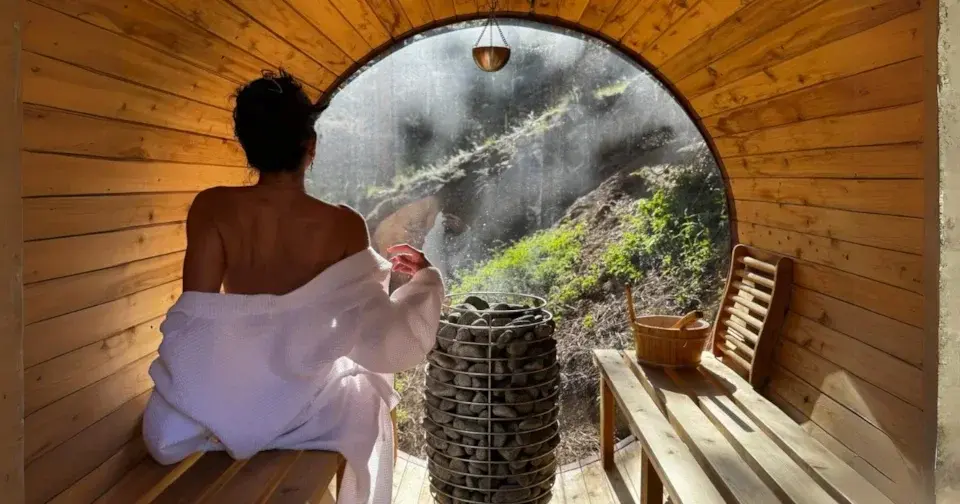
If you are planning a trip around Flagstaff Mountain and Boulder's trail network, The Rusty Skillet Ranch puts you 6 minutes from Flagstaff Road on 12 private acres with a handcrafted Japanese cedar hot tub and barrel sauna waiting when you return from the summit. After a 3-mile hike at altitude, the cedar soaking tub under the pines is a noticeably good idea. Check availability here.


Comments