Is Boulder, CO Worth Visiting? An Honest Local's Answer
Updated: Aug 31

Yes, Boulder, Colorado is absolutely worth visiting, but not for the reasons most travel guides suggest. The city earns its reputation through a genuinely exceptional combination of accessible wilderness, an independent food scene that has drawn national recognition, and a walkable downtown that feels lived-in rather than tourist-polished. That said, Boulder rewards visitors who plan thoughtfully and penalizes those who show up on a Saturday without a parking strategy.
Boulder sits at 5,430 feet elevation, meaning first-time visitors from sea level often feel altitude effects for the first 24-48 hours. Plan lighter activity on arrival day.
Most visitors need 2-3 days to experience Boulder's core highlights: the Flatirons, Pearl Street Mall, and at least one day hike into the foothills.
Boulder's downtown visitor satisfaction is unusually high: more than two-thirds of visitors reported their experience exceeded expectations, according to the Downtown Boulder Partnership 2026 Intercept Survey.
Out-of-state visitors to downtown Boulder spend nearly double per visit compared to local residents, so budget accordingly. Dining, parking, and accommodation costs reflect a premium mountain city.
Summer 2026 is a strong time to visit: Colorado mountain destination revenue is up 12.1% year-over-year, and booking lead times have stretched to nearly 50 days, so reserving accommodation 6-8 weeks out is increasingly important.
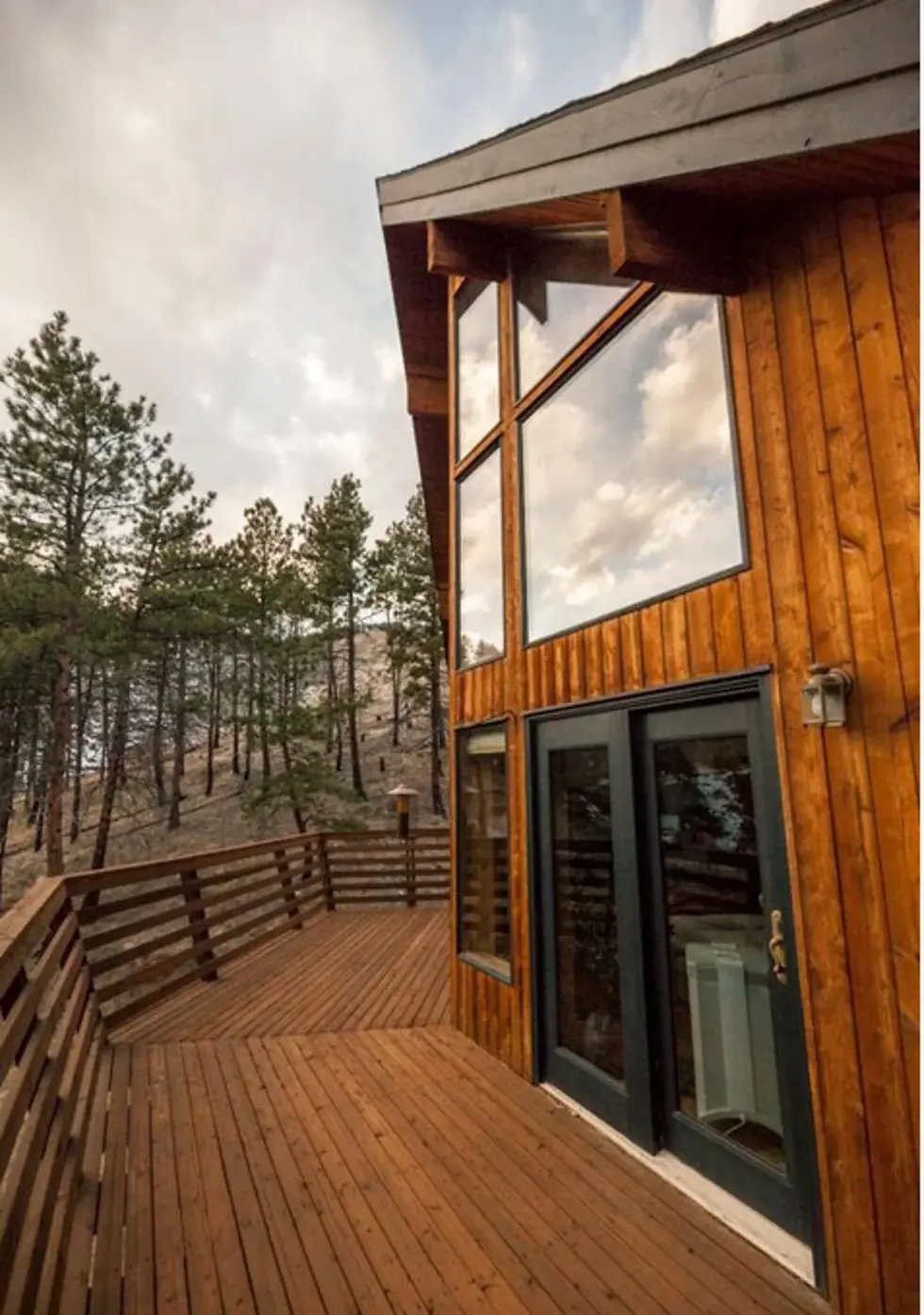
The Rusty Skillet Ranch, a luxury A-frame spa retreat on 12 private acres just 15 minutes from downtown Boulder, offers a genuine alternative to crowded hotels for couples, small groups, and wellness-focused travelers.
Why Is Boulder, Colorado So Famous?
Boulder is famous for a rare combination: dramatic natural scenery immediately adjacent to a walkable, culturally rich city. The Flatirons, a series of tilted sandstone formations rising directly above the western edge of town, are visible from almost anywhere in the city and serve as both a visual landmark and an active recreation area. Beyond geography, Boulder built its identity around outdoor recreation, independent dining, and the University of Colorado Boulder campus, which infuses the city with intellectual energy and year-round activity.
Bon Appétit named Boulder America's Foodiest Town in 2010, a designation that still holds relevance today. The city has sustained a food culture built on local farms, seasonal menus, and chef-driven restaurants that would compete in any major American city. Forbes has separately recognized it among five standout foodie cities in the country. For a city of roughly 105,000 residents, that level of culinary recognition is remarkable.
Pearl Street Mall, the four-block pedestrian zone at the heart of downtown, anchors Boulder's street-level identity. Street performers, independent retailers, and restaurants occupy historic brick buildings, and the whole stretch functions as an outdoor living room for locals and visitors alike. The Boulder Book Store, a three-level shop with over 100,000 titles, sits right on Pearl Street and is worth an hour of your time regardless of whether you plan to buy anything.

Should I Go to Boulder or Denver?
Boulder and Denver serve different travel purposes, and the honest answer is that most visitors to Colorado should do both. Denver is a full metropolitan city with world-class museums, a professional sports culture, and a nightlife district centered around RiNo and Larimer Square. Boulder is smaller, quieter, and oriented entirely around outdoor access and independent culture. If your priority is mountain hiking and a slower pace, Boulder wins. If you want urban energy, a broader dining range, and easier airport access, Denver offers more.
The practical case for combining both is strong. Denver International Airport is 45 miles from Boulder, roughly a 50-minute drive, making Boulder an easy addition to any Denver-anchored Colorado trip. Many visitors spend two nights in Denver and two in Boulder, or use Boulder as a mountain base while day-tripping into Denver for specific experiences.
One honest caveat: Boulder is expensive. Accommodation and dining prices reflect a premium mountain city with limited supply and high demand from both tourists and a wealthy resident base. The Official Boulder Colorado USA tourism website is the clearest starting point for planning, but it won't tell you that parking near Pearl Street costs $2-3 per hour, that a mid-range dinner for two runs $80-120, or that weekend hotel rates during summer regularly exceed $300 per night. Budget accordingly, or consider a private rental outside the city center for better value and more space.
How Many Days Do You Need in Boulder?
Two days is the realistic minimum for Boulder if you want to hike, explore Pearl Street, and eat well. Three days is the sweet spot that allows you to add a day trip to Rocky Mountain National Park or Eldorado Canyon without rushing the core city experience. Visitors who try to compress Boulder into a single afternoon consistently report that they wished they had stayed longer.
Here is a practical day-by-day framework:
Day 1: Arrive, acclimate, and explore downtown. Boulder sits at 5,430 feet. If you're arriving from sea level, plan a lighter first day. Walk Pearl Street in the morning, visit the Boulder Dushanbe Teahouse for lunch (the building itself, a gift from Boulder's sister city of Dushanbe, Tajikistan, is an architectural spectacle worth seeing even if you don't eat), and save your energy for dinner at one of the city's best restaurants.
Day 2: Hike the Flatirons. Start at Chautauqua Park by 8am on weekends to secure parking, which is free on weekdays and paid on weekends. The park dates to 1898 and is one of Boulder's most beloved public spaces. The First and Second Flatirons Loop trail covers 2.7 miles with 1,427 feet of elevation gain and requires some hand-and-foot scrambling near the summit. If that sounds too aggressive, the Woods Quarry and Enchanted Mesa loop is 3.1 miles with 698 feet of gain and offers outstanding views without technical terrain.
Day 3 (if you have it): Choose your adventure. Rocky Mountain National Park is just under an hour from Boulder, though timed entry reservations are required in summer and fall. Alternatively, drive 20 minutes south to Eldorado Canyon State Park, where a $10 per vehicle entry fee buys access to some of the best technical rock climbing in North America (over 500 routes) and the beginner-friendly Fowler Trail, a 4-mile out-and-back with excellent canyon views. On weekends, use the Eldorado Canyon Weekend Shuttle from Boulder to skip the parking stress entirely.
What Are the Best Things to Do in Boulder, Colorado?
Boulder's best experiences fall into three categories: outdoor recreation in the foothills, independent dining and coffee culture downtown, and cultural experiences that most travel guides overlook entirely. The Boulder outdoor recreation scene is the city's most famous draw, but limiting your visit to hiking trails means missing a significant part of what makes the city worth the trip.
Hiking and Outdoor Recreation
The Flatirons are the obvious starting point, but Boulder's open space system extends far beyond Chautauqua. Flagstaff Road, which climbs directly from the western edge of town, offers three distinct viewpoints: Panorama Point, Artist's Point, and Lost Gulch Overlook. Parking along Flagstaff Road costs $5 per day, paid at self-service kiosks. The Boulder hiking guide from the official tourism board lists trail difficulty ratings, but AllTrails is more reliable for current conditions and recent hiker notes.
Mount Sanitas loop, a 3.2-mile trail with 1,256 feet of gain located on Boulder's northwest edge, is where locals actually hike on weekends. You'll find fewer tourists and more dogs than on the Chautauqua routes. Green Mountain West Trail, 4.1 miles with 721 feet of gain accessed via Flagstaff Road about 17 minutes from town, is another genuinely local choice for a longer effort without the crowds.
For a quick, almost zero-effort natural attraction, Boulder Falls is a 70-foot waterfall just 100 yards from its roadside parking area on Boulder Canyon Road, roughly 15 minutes from downtown. The hike is essentially flat, making it accessible for all fitness levels. Combine it with a stop in Nederland, another 10 minutes west, a quirky mountain town best known for the Frozen Dead Guy Days festival and its reputation for independent-minded residents.
Guests staying at The Rusty Skillet Ranch are positioned well for an early Chautauqua start: the property sits 12 minutes from Chautauqua Park, and leaving before 8am on a summer weekend lets you beat both the parking crunch and the midday heat on the trail.
Dining: What's Actually Worth Your Money
Boulder's food scene rewards visitors who skip the obvious tourist spots on Pearl Street's main stretch and explore a bit more deliberately. The Kitchen Boulder remains one of the city's best farm-to-table restaurants, with a menu that changes with Colorado's growing seasons and a wine list that punches above its weight. Frasca Food and Wine is Boulder's most acclaimed fine dining option, with multiple James Beard Award recognitions, a tasting menu format, and a reservation waitlist that requires advance planning. Budget $150-200 per person for the full experience at Frasca, and book at least three weeks ahead.
For something more casual, Lucile's Creole Cafe, established in 1980 and now operating six Colorado locations, serves consistently excellent Creole-influenced breakfast and brunch from a historic house with outdoor seating. The beignets and eggs sardou are the items to order. Expect a 30-45 minute wait on weekend mornings. Honest note: the service pace is slow by design. Enjoy it or go on a weekday.
Blackbelly is worth knowing about for dinner: a farm-to-table restaurant that operates its own farm and butcher program, with a menu built around whole animal cookery. The charcuterie board is exceptional. The Boulder Michelin restaurant guide lists the city's recognized dining establishments for visitors planning a special-occasion meal.
Coffee deserves its own category in Boulder. Boxcar Coffee Roasters on Pearl Street, which shares a storefront with a gourmet grocery, roasts its own beans and serves some of the cleanest espresso in the city. Trident Booksellers and Cafe has been a Pearl Street institution for over 45 years, combining a used bookstore with espresso and regular events including live poetry and music. For a more minimal, Scandinavian-influenced aesthetic, Alpine Modern Cafe has two Boulder locations and a strong single-origin pour-over program.

Arts, Culture, and What Most Guides Miss
Boulder's arts and cultural infrastructure is consistently underreported in travel content that focuses almost exclusively on outdoor recreation. The Dairy Arts Center, located in a converted dairy building near downtown, hosts year-round theater, film, and visual arts programming. The CU Art Museum on the University of Colorado Boulder campus is free to enter and features rotating exhibitions alongside a permanent collection. The aerial view of the CU Boulder campus, with the Flatirons as its backdrop, is one of the most recognizable collegiate landscapes in the United States.

The free activities in Boulder list from the official tourism board is genuinely useful for budget-conscious visitors: many of the city's best experiences cost nothing. Boulder Creek Path, a paved multi-use trail that runs along the creek through the heart of the city, is free and connects downtown to the mountains. Eben G. Fine Park, at the western end of the path near the mountains, is a local gathering spot with creek access and easier parking than Chautauqua.
Is Boulder Worth Visiting for Every Type of Traveler?
Boulder, Colorado is worth visiting for most travelers, but the experience varies significantly depending on your priorities, budget, and physical comfort at altitude. Understanding who thrives in Boulder and who might leave disappointed helps you make an honest decision before booking.
Who Gets the Most from Boulder
Outdoor enthusiasts get full value. Hikers, cyclists, and climbers will find a concentration of trails and open space that rivals anywhere in the continental United States. The Boulder biking infrastructure is exceptional, with dedicated lanes and multi-use paths connecting most of the city. Couples seeking a wellness-focused mountain escape also find Boulder delivers: the combination of spa retreats, farm-to-table dining, and accessible hiking creates a natural itinerary for a restorative long weekend.
Wellness-focused travelers in particular should look beyond hotel options. The Rusty Skillet Ranch, a custom-remodeled A-frame retreat on 12 completely private acres, 15 minutes from downtown Boulder and 40 minutes from Denver, is the kind of property that transforms a good trip into a memorable one. The 8-person cedar barrel sauna with a panoramic glass wall, the handcrafted Japanese cedar soaking tub, and the outdoor shower overlooking a year-round creek are genuine wellness amenities rather than the token hot tub that most mountain rentals offer. Wellness retreat planning near Boulder benefits from anchoring to a property that integrates the experience rather than just being a place to sleep.
Honest Reasons Boulder Might Disappoint
Boulder is genuinely expensive. Accommodation, dining, and incidental costs add up faster than in comparable mountain towns. Visitors on tight budgets who expect affordability will be frustrated. Weekend crowds at popular trailheads, particularly Chautauqua, can undermine the wilderness feeling that draws people to Boulder in the first place. Pearl Street on a summer Saturday is busy in a way that feels more tourist-driven than local. And the altitude is real: first-time visitors from sea-level cities frequently experience headaches, fatigue, and disrupted sleep for the first day or two.
The city also has limited nightlife by urban standards. Boulder has breweries and bars but no true late-night entertainment district. If a lively nightlife scene is a priority, Denver is the better choice.
What Is the Best Season to Visit Boulder?
Boulder is worth visiting year-round, but each season offers a genuinely different experience. Summer (June through August) is the most popular window: trails are fully accessible, Pearl Street fills with street performers, and the weather is ideal for outdoor activity. The tradeoff is crowds and peak accommodation pricing. In 2026, summer booking lead times for Colorado mountain destinations have stretched to nearly 50 days in advance, according to Inntopia market data, so planning six to eight weeks ahead for summer visits is increasingly essential.
Fall is arguably the most beautiful time to visit Boulder. Late September and early October bring peak aspen foliage in the foothills and mountains above the city. Temperatures cool to the low-to-mid 60s during the day, trails are less crowded than summer, and the golden light at this elevation is exceptional. The outdoor adventures near Boulder shift in fall to include foliage drives up Boulder Canyon Road and into the Indian Peaks Wilderness.

Winter brings a different appeal. Eldorado Canyon remains accessible and far less crowded. Downtown Boulder feels more authentically local with fewer tourists. And proximity to ski areas is a genuine selling point: Eldora Mountain Resort is 21 miles from downtown Boulder. Guests staying at The Rusty Skillet Ranch in winter particularly benefit from the barrel sauna and Japanese cedar hot tub: soaking after a day of skiing or winter hiking, surrounded by snow-covered pines, is an experience that hotel stays simply cannot replicate.
Spring (April through May) brings wildflowers to the foothills and warmer temperatures, but also unpredictable weather and muddy trails. Visit in late May if you want spring conditions with more reliable sunshine.
How Do You Get to Boulder from Denver, and What Logistics Should You Know?
Getting to Boulder from Denver is straightforward, but the logistics inside Boulder require some advance thinking. Most visitors drive the US-36 corridor from Denver, a 35-45 minute trip depending on traffic. Rental cars from Denver International Airport give you the most flexibility for day trips to Rocky Mountain National Park and Eldorado Canyon. Ride-share services (Uber and Lyft) operate reliably between Denver and Boulder, though surge pricing during peak evening hours on weekends can push one-way fares to $60-80.
Once in Boulder, the city's free Park-to-Park Shuttle runs on weekends and holidays, connecting downtown with Chautauqua Park and other trailheads. This is the smartest way to access Chautauqua on summer weekends when parking fills by 9am. The shuttle eliminates the most common Boulder frustration: circling for parking while your hiking window shrinks.
For families visiting with children, the family activities in Boulder guide from the official tourism board covers the Boulder Reservoir (4.5 miles from downtown, with swimming and paddleboard rentals in summer), the Boulder County Fairgrounds, and interactive programming at the University of Colorado Natural History Museum. Boulder is more family-friendly than its reputation as a fitness-obsessed city might suggest.
One practical note on altitude: Boulder sits at 5,430 feet, and trails above the city quickly climb to 6,500-8,000 feet. Children and adults with cardiovascular conditions should plan their first day as an acclimation day. Drink more water than you think you need (the dry mountain air accelerates dehydration), avoid alcohol on your first evening, and don't judge the altitude's effect on your energy until day two. Most visitors feel fully adjusted within 48 hours.
What Are the Real Costs of Visiting Boulder?
Boulder is one of the more expensive small cities in the Mountain West, and honest cost planning prevents disappointment. Here is a realistic breakdown for a two-night visit:
Expense Category | Budget Range (per person/per unit) | Notes |
Accommodation (hotel, per night) | $250-400/night | Higher on summer weekends; limited boutique options |
Private vacation rental (2+ guests) | $300-500/night base rate | Boulder ADR for STRs is $363 (AirDNA 2026) |
Casual dining (per person) | $20-40 | Includes Boulder's independent cafe and sandwich options |
Mid-range dinner (per person) | $50-80 | Excludes fine dining like Frasca ($150+ per person) |
Trail access (most trails) | Free | Flagstaff Road parking $5/day; Eldorado Canyon $10/vehicle |
Pearl Street parking | $2-3/hour | Free parking available on residential streets 2-3 blocks north |
Coffee | $5-9 | Specialty drinks at Boulder's roasters run higher than chain prices |
Rocky Mountain National Park entry | $35/vehicle | America the Beautiful pass ($80/year) pays for itself quickly |
Out-of-state visitors to downtown Boulder spend nearly double per visit compared to Boulder County residents, according to the Downtown Boulder Partnership 2026 Intercept Survey. That data point reflects reality: Boulder is a premium destination, and trying to visit on a shoestring budget means missing the experiences that make the city worth the trip. If cost is a genuine constraint, the free activities list from the official tourism board covers several genuinely good options, and packed lunches on the trail offset the restaurant costs significantly.
Frequently Asked Questions About Visiting Boulder, Colorado
Is Boulder, Colorado worth visiting for just one day?
One day in Boulder is enough to see the highlights but not enough to understand what makes the city special. A single day works best if you focus on one area: either a morning hike at Chautauqua followed by lunch on Pearl Street, or a drive up Boulder Canyon Road to Boulder Falls with an afternoon on Pearl Street. To experience both the outdoor and urban sides of Boulder meaningfully, plan for at least two nights.
Is Boulder expensive compared to other Colorado mountain towns?
Yes, Boulder is one of the pricier destinations in Colorado. The average daily rate for short-term rental stays in Boulder is $363, according to AirDNA's 2026 market data, which is higher than most comparable Colorado mountain towns. Hotel rates on summer weekends regularly exceed $300 per night. Dining prices reflect a city with nationally recognized restaurants and a high-income resident base. Budget $150-200 per person per day for a comfortable Boulder experience including accommodation, meals, and activities.
What should first-time visitors to Boulder know about altitude?
Boulder sits at 5,430 feet elevation, and many visitors from sea level experience mild altitude effects including headaches, fatigue, and disrupted sleep during their first 24-48 hours. Staying well hydrated is the most effective prevention: aim for at least 3-4 liters of water per day. Avoid heavy alcohol consumption on your first evening and plan lighter activity on arrival day. Most visitors feel fully adjusted by day two and can tackle longer hikes without issue.
Is Boulder safe and family-friendly?
Boulder is consistently rated among the most livable and visitor-friendly cities in Colorado. The downtown core, Pearl Street Mall, and Chautauqua Park are all comfortable for families with children of all ages. The family activities in Boulder guide covers kid-friendly options including the Boulder Reservoir for summer swimming, science programming at the CU Museum of Natural History, and accessible trails like Red Rock Spur (0.6 miles, 206 feet of gain) for younger hikers.
How far is Boulder from Rocky Mountain National Park?
Rocky Mountain National Park is approximately 48 miles from downtown Boulder, roughly a 90-minute drive via US-36 and Highway 7 or US-34 through Estes Park. Note that timed entry reservations are required for park access during summer (typically late May through mid-October) and fall, particularly in the early morning hours. Book your timed entry permit through Recreation.gov as soon as your dates are confirmed, as popular windows sell out weeks in advance.
What is the best area to stay in Boulder for visiting the mountains?
Staying west of downtown, closer to the foothills, puts you nearest the major trailheads. Properties in the canyon areas west of Boulder, like The Rusty Skillet Ranch 15 minutes from downtown on 12 private acres, combine genuine mountain proximity with easy access to Pearl Street and the city's dining scene. This balance of seclusion and accessibility is difficult to find in Boulder's hotel market, which skews toward the US-36 corridor closer to the highway.
Can you visit Boulder without a car?
Visiting Boulder without a car is feasible for a downtown-focused trip but limiting for the outdoor experiences that define the city's appeal. The free Park-to-Park Shuttle connects downtown with Chautauqua on weekends. The Eldorado Canyon Weekend Shuttle runs from Boulder to the park on weekends during peak season. For Rocky Mountain National Park and Eldorado Canyon visits on weekdays, or for flexibility throughout your trip, a rental car from Denver International Airport remains the most practical option.
What makes The Rusty Skillet Ranch different from Boulder hotels?
The Rusty Skillet Ranch offers 12 private acres, a handcrafted Japanese cedar hot tub, an 8-person barrel sauna, and a 1,000-square-foot great room with 28-foot vaulted ceilings and floor-to-ceiling mountain views, all 15 minutes from downtown Boulder. Standard Boulder hotels sit in the city corridor without mountain seclusion or wellness amenities at this level. The property accommodates up to 12 guests and includes an optional lower-level suite, making it particularly well-suited for groups, couples, and corporate wellness retreats that need both privacy and proximity to the city.
The Bottom Line: Is Boulder, CO Worth Visiting in 2026?
Boulder, Colorado is worth visiting in 2026, and the data backs that assessment: more than two-thirds of visitors report their experience exceeded expectations, and over 60% say they would be extremely likely to recommend it as a leisure destination, according to the Downtown Boulder Partnership 2026 survey. That is not a city that overpromises. Boulder delivers what it advertises: extraordinary outdoor access, a food scene with genuine national credibility, and a walkable downtown with independent character.
The honest qualifications matter too. Come with a realistic budget, book accommodation six to eight weeks ahead for summer visits, and give yourself at least two full days. Skip Chautauqua on Saturday morning if you want a trailhead to yourself. Eat at Lucile's on a weekday, not a Sunday. Plan your first day lighter to respect the altitude. These are the specifics that separate a great Boulder trip from a frustrating one.
For a deeper look at how Boulder's calendar and seasons affect the experience, the Boulder Travel Guide covers itinerary planning across all four seasons. And if you want the full picture on where to eat while you're here, the Boulder dining and drinking guide goes deeper than the highlights covered in this article.
If you're planning a Boulder trip and want a base that earns its place in the experience rather than just serving as a place to sleep, The Rusty Skillet Ranch sits 15 minutes from Pearl Street on 12 private acres with a cedar barrel sauna, Japanese cedar hot tub, and mountain views from a 28-foot vaulted great room. The property sleeps up to 12 guests and accommodates couples, small groups, and wellness-focused stays equally well. After a day on the Flatirons, that sauna earns its keep. Check availability for your dates here.



Comments