NYC Food and Wine Festivals: Your 2026 Season Guide
Updated: Aug 31

New York City food and wine festivals refer to a calendar of curated culinary events spanning all five boroughs, ranging from intimate chef-driven dinners to massive walk-around tastings with hundreds of exhibitors. The flagship event is the Food Network New York City Wine and Food Festival (NYCWFF), scheduled for October 14 to 18, 2026, now in its 19th year. Beyond NYCWFF, the city hosts dozens of smaller, neighborhood-rooted festivals across every season that most guides never cover.
TL;DR: NYC Food and Wine Festivals at a Glance
The Food Network NYCWFF runs October 14 to 18, 2026, featuring 300-plus chefs, 50-plus events, and culinary host Jean-Georges Vongerichten at the Tin Building in the Seaport district.
Ticket tiers range from roughly $75 for single tastings to several hundred dollars for exclusive Beard House dinners; Grand Tasting passes typically fall in the $150 to $250 range.
NYC food festivals happen every season, not just October: spring street fairs, summer waterfront markets, and winter pop-up dining events offer year-round options.
Five-borough community festivals in Brooklyn, Queens, and the Bronx are often free or low-cost and showcase immigrant culinary traditions that NYCWFF does not replicate.
Logistics matter: the Seaport and Tin Building area is best reached by the 2, 3, 4, or 5 subway trains to Fulton Street; parking near the waterfront on festival weekends typically runs $40 to $60 per day.
The NYC Restaurant Week runs twice annually (winter and summer) and serves as a parallel food event offering prix-fixe menus at top restaurants for a fraction of normal cost.
New York's culinary calendar is one of the densest in the world. If you only read the major food press, you might think the city's festival scene begins and ends with NYCWFF. That is not the case. The five boroughs host garlic festivals, dumpling crawls, waterfront wine fairs, and heritage food markets that run from March through December. This guide covers all of them, organized by season, with honest ticket cost breakdowns and neighborhood-level logistics that other roundups skip entirely.
The research here draws on the official NYCWFF event listings, the James Beard Foundation's festival page, and the I Love New York state tourism board. Where exact 2026 details are not yet confirmed, we use hedging language and note it clearly.
Where Is the NYC Wine and Food Festival Held?
The Food Network New York City Wine and Food Festival is centered at the Tin Building, Jean-Georges Vongerichten's food hall at Pier 17 in the Seaport district of Lower Manhattan. The Seaport serves as the festival's culinary campus, with individual events radiating out to partner restaurants, rooftop venues, and Beard House in the West Village.
Specifically, most Grand Tasting events and headline activations take place within the Seaport's waterfront footprint, roughly bounded by Fulton Street to the north and Pier 17's outdoor decks to the south and east. The Catch of the Day seafood celebration takes place in the heart of the Seaport. The Beard House dinners are held at the James Beard Foundation's historic townhouse at 167 West 12th Street in the West Village, a separate venue requiring its own ticketing.
For first-timers: the Seaport is surprisingly compact. You can walk from the main Tin Building entrance to most satellite event venues within ten to fifteen minutes. The area is easily reached via the 2, 3, 4, or 5 subway lines to Fulton Street, or the J and Z lines to Fulton as well. The A and C also stop at Fulton. Ride-share drop-off works well on Water Street. Driving is strongly discouraged during the October festival weekend; the FDR Drive access points back up significantly, and garage parking near the Seaport typically runs $40 to $60 per day during event weekends.

How Much Are Tickets for the NYC Wine and Food Festival?
NYCWFF ticket prices vary significantly by event tier. As of the 2026 edition (the most recent confirmed pricing available), single-session tasting tickets started at approximately $75 to $100, mid-tier events like cocktail parties and brunch experiences ranged from $100 to $175, and the Grand Tasting sessions typically priced between $150 and $250 per person. Exclusive chef-driven dinners and Beard House events ran from $300 to $500 or more per person.
For 2026, the festival has not yet published final pricing at the time this guide was written. Check the NYCWFF Tickets and Events page directly for confirmed rates as October approaches. Historically, early-bird ticket bundles offer 10 to 15 percent savings compared to single-event purchases made close to the festival dates.
What Does Your Ticket Price Actually Cover?
This is where most first-timers get surprised. Grand Tasting tickets cover entry and food samples from participating chefs and exhibitors. They do not cover unlimited wine pours at all stations. Some premium wine and spirits producers require a separate token or pour fee at their booth. Budget an additional $20 to $40 per person in small purchases if you want to sample freely across the wine stations.
For the exclusive multi-course dinners, your ticket typically covers a set number of wine pairings. Additional bottles or cocktails are charged separately. Gratuity is sometimes included, sometimes not; check your specific event confirmation.
Which NYCWFF Events Offer the Best Value?
Honest answer: FoodieCon is one of the better value options if you are interested in food media and culinary content creation. It features a full day of programming, panels, and cooking demonstrations at a price point below the Grand Tasting. The Grand Tasting: Daytime Edition is the most accessible entry point for first-time festival attendees, covering the widest range of chefs and cuisines in one session.
Skip the after-dark events if you are primarily there for food. Those skew toward cocktails and entertainment rather than serious culinary exploration. The Beard House dinners are worth the premium if you want a genuinely intimate experience with recognized culinary talent, such as the 2026 dinner titled "A Taste of Tomorrow" hosted by Marcus Samuelsson.
What Are the Best Food and Wine Festivals in NYC Beyond NYCWFF?
The best food and wine festivals in New York City beyond NYCWFF are a mix of borough-rooted community events, specialty food markets, and seasonal street fairs that collectively showcase the city's extraordinary culinary range. These include the NYC Restaurant Week (held twice annually), waterfront food markets in Brooklyn and Queens, and heritage food festivals that reflect the city's immigrant communities in ways no ticketed gala event can replicate.

Spring and Summer Food Events in NYC (March to August)
NYC Restaurant Week runs in both winter (typically January to February) and summer (typically July to August), allowing diners to sample prix-fixe menus at participating restaurants for a set price. The summer edition tends to draw the most participation, with hundreds of restaurants across all five boroughs offering two- or three-course lunches and dinners at a fraction of normal menu prices. Check the NYC Restaurant Week official page for current dates and participating restaurants.
Brooklyn food markets, particularly those along the waterfront in DUMBO and Red Hook, ramp up from April through September. These are not formal festivals with ticketing; they are recurring weekend markets that you can visit without any advance planning. Red Hook in particular draws vendors specializing in Latin American and Caribbean cuisines. Arrive by 11am to browse before the crowds build.
Queens is home to some of the most underrated food events in the city. Jackson Heights hosts informal food walks organized by local food tour companies, covering Nepali dumplings, Colombian bakeries, and South Asian street snacks within a few blocks. These are not formally marketed as festivals, but they function as one of the most authentic food experiences available in New York, often for under $30 per person including food.
Fall Food Festivals Beyond NYCWFF (September to November)
The Bronx hosts an annual food hall series in the fall featuring vendors from the borough's West African and Caribbean communities. Dates shift year to year; follow local Bronx event listings for current schedules. Staten Island's North Shore has hosted waterfront food and wine events in September and October, though event continuity varies. Verify current editions before planning travel.
Manhattan's Union Square Greenmarket, while not a festival, expands significantly in fall harvest season and functions as a de facto wine and cider tasting destination in October. Local Hudson Valley wineries and cideries set up sample stations on Saturdays. No ticket required.
A Practical Five-Borough Festival Calendar
Season | Event / Venue | Borough / Area | Typical Cost | Notes |
Winter (Jan-Feb) | NYC Restaurant Week | All boroughs | $30-65 per meal | Prix-fixe menus; no festival ticket needed |
Spring (Apr-May) | Brooklyn Waterfront Markets | Brooklyn (DUMBO, Red Hook) | Free entry; food to purchase | Recurring weekend markets, no advance ticket |
Summer (Jul-Aug) | NYC Restaurant Week (Summer) | All boroughs | $30-65 per meal | Widest restaurant participation of the year |
Summer (Aug) | Queens Food Walks (Jackson Heights) | Queens | Under $30 per person | Informal; book through local food tour operators |
Fall (Oct 14-18, 2026) | Food Network NYCWFF | Manhattan (Seaport, West Village) | $75-$500+ | Grand Tasting, Beard House dinners, FoodieCon |
Fall (Oct) | Union Square Greenmarket (Fall Harvest) | Manhattan | Free entry; samples vary | Hudson Valley wine and cider tastings on Saturdays |
What New York State Food and Wine Festivals Are Worth the Drive?
New York State food and wine festivals outside of NYC are a legitimate reason to leave the city, particularly for wine enthusiasts. The Finger Lakes wine region, the Hudson Valley's agricultural heritage, and Buffalo's wing culture all produce annual events that offer experiences unavailable in Manhattan at any price point.
The Naples Grape Festival in Naples, NY, celebrates the Finger Lakes grape harvest each fall with local winemakers, artisan vendors, and live music. Naples sits about five and a half to six hours from Midtown Manhattan by car, making it a genuine overnight-or-weekend commitment rather than a day trip. If you are going, pair it with two or three winery visits along Keuka Lake for a full wine-country experience.
The Hudson Valley Garlic Festival is held annually in Saugerties, NY, about two hours north of the city, and has earned a genuine cult following. The menu range is intentionally ridiculous: garlic sausage, garlic hot sauce, garlic chocolate, garlic ice cream. It works. The festival is unpretentious, affordable, and genuinely community-organized in a way that NYCWFF is not. If you prefer smaller crowds and lower ticket prices, this is the better weekend.
The National Buffalo Wing Festival runs every Labor Day Weekend in Buffalo. The National BBQ Festival takes place at Nassau County's Eisenhower Park on Father's Day weekend, making it the most accessible of the major statewide events for NYC residents (roughly 30 to 45 minutes by car or LIRR from Penn Station). The SpiedieFest and Balloon Rally in Binghamton runs each August and celebrates the region's spiedie sandwich tradition alongside hot air balloon launches.
How to Navigate a Large Food and Wine Festival Like a Local
Navigating large food and wine festivals in NYC requires a different strategy than attending a casual street fair. At events like NYCWFF, where 50-plus sub-events run across five days and multiple venues, pacing and planning determine whether you leave satisfied or overwhelmed. The practical tips below come from the kind of experience most festival preview articles skip entirely.
Before You Arrive
Download the event app or print your session tickets in advance. NYCWFF scan queues move slowly when attendees search their email on-site. Have your QR code ready before you join the entry line.
Eat something light before the Grand Tasting. You will be offered dozens of small portions across three to four hours. Arriving on an empty stomach leads to poor pacing; arriving overfull means wasting your ticket. A light meal two hours before is the right window.
Book Beard House dinners the moment they go on sale. These sell out within days of release, typically three to four weeks before the festival. Do not wait.
At the Event: Pacing Strategies
Walk the full floor first before eating anything. At the Grand Tasting, identify your top five to eight stations before committing. The booths closest to the entrance get the longest lines early; work toward the back of the hall first.
Alternate wine and water every three to four pours. This is not about moderation for its own sake; it is about preserving your palate so the 12th wine tastes as distinct as the 2nd.
Wear comfortable shoes with grip. Festival floors are often slick from spilled liquids. Heels on wet marble or concrete near a waterfront venue are a genuine hazard.
Bring a small tote bag. Many exhibitors offer printed menus, small product samples, and branded items. A tote keeps your hands free for plates and glasses.
Accessibility Notes
The Tin Building and Pier 17 are ADA-accessible. The Seaport's waterfront promenade is flat and wheelchair-navigable. The Beard House at 167 West 12th Street is a historic townhouse and has limited accessibility for guests using mobility devices; call the James Beard Foundation directly to confirm specific accommodation before purchasing a Beard House dinner ticket. Subway stations in the Fulton Street complex are equipped with elevators, though service interruptions are common; check the MTA status board on the day of travel.
What Are the Dates for Disney's Food and Wine Festival?
Disney's Epcot International Food and Wine Festival is a Walt Disney World event held at EPCOT in Orlando, Florida, not New York City. The festival typically runs from late August through mid-November each year, making it concurrent with NYCWFF in October. For 2026, Walt Disney World has not yet published confirmed dates for the Epcot festival; check the official Disney Parks website for current scheduling.
This question comes up frequently when searching for food and wine festivals in the Northeast because NYCWFF and the Disney festival share significant name recognition. They are distinct events in different cities. NYCWFF is a five-day urban festival focused on professional culinary talent and charity; Disney's festival is a theme-park event emphasizing international pavilion food and beverage programming across multiple months. The two events do not conflict in travel planning terms, so attending both in the same fall season is logistically feasible.
What Should You Know Before Attending Your First NYC Food Festival?
First-time attendees at NYC food and wine festivals consistently underestimate three things: the cost beyond the ticket price, the physical demands of a multi-hour tasting event, and the logistics of getting between venues at a multi-site festival like NYCWFF. Understanding all three in advance makes the difference between a frustrating experience and a genuinely memorable one.
Realistic Budget Breakdown for NYCWFF
Expense Category | Estimated Cost Per Person | Notes |
Grand Tasting ticket | $150 to $250 | Prices not yet confirmed for 2026 |
Premium wine tokens / pours on-site | $20 to $40 | Not included in base ticket at some stations |
Transportation (subway round trip) | $5 to $10 | Fulton Street station, most accessible route |
Transportation (ride-share, weekend surge) | $25 to $60 per ride | Festival weekend surge pricing is significant |
Parking (Seaport area garage) | $40 to $60 per day | Strongly recommend subway instead |
Post-festival dinner | $60 to $120 | Most attendees want a proper meal after tasting events |
Total realistic day budget | $250 to $480 per person | Excludes Beard House dinner tickets |
What to Wear to a NYC Food Festival
October in New York runs from warm (65 to 70 degrees in early October) to cold (45 to 55 degrees by mid to late October). Festival evenings near the waterfront are always cooler than the weather app suggests; the East River adds a genuine wind chill. Bring a layer you can tie around your waist or stuff in a bag. Indoor Tin Building sessions run warm with crowds; you will want to peel off a jacket quickly.
Avoid white or light-colored tops. Wine spills at tasting events are not a matter of if but when. Avoid very open-toed shoes; the Seaport's cobblestone streets are charming and ankle-threatening in equal measure.
Frequently Asked Questions About NYC Food and Wine Festivals
When is the 2026 NYC Wine and Food Festival?
The Food Network New York City Wine and Food Festival 2026 is scheduled for October 14 to 18, 2026. The festival is now in its 19th year and is centered at the Tin Building in Manhattan's Seaport district. Individual event tickets and bundle packages are typically released three to five months before the festival; check nycwff.org for confirmed on-sale dates.
Who hosts the NYC Wine and Food Festival?
NYCWFF is presented by Invesco QQQ and led by culinary host Jean-Georges Vongerichten, whose Tin Building food hall serves as the festival's primary venue. The festival features 300-plus chefs, winemakers, and mixologists. The James Beard Foundation is a charitable beneficiary and hosts exclusive private dinners at the Beard House in the West Village during the festival week.
Are there free food and wine festivals in NYC?
Yes. Several NYC food events are free or low-cost: the Union Square Greenmarket's fall harvest Saturdays feature complimentary samples from Hudson Valley wine and cider producers; Brooklyn waterfront markets in DUMBO and Red Hook charge no entry fee; and many borough-level food fairs in Queens and the Bronx are community-organized with free admission. NYC Restaurant Week is not free, but offers substantially discounted prix-fixe menus twice annually.
What is FoodieCon at NYCWFF?
FoodieCon is an official NYCWFF sub-event designed specifically for culinary content creators, food bloggers, and social media influencers in the food space. It runs for a full day and features panels, cooking demonstrations, and networking with other creators. Ticket prices historically fall below Grand Tasting prices, making it one of the better value options at the festival for attendees interested in food media and content creation rather than pure tasting experiences.
What is the Catch of the Day event at NYCWFF?
Catch of the Day is NYCWFF's evolved seafood celebration, held in the heart of the Seaport district. It expanded from the festival's original Oyster Bash format into a broader seafood-focused tasting event featuring shellfish, raw bars, and prepared seafood dishes from participating chefs. It is one of the more distinctive events within the festival week, with the waterfront location adding genuine atmosphere. Tickets are typically separate from the Grand Tasting bundle.
How far in advance should I buy NYCWFF tickets?
Beard House dinners and exclusive chef-driven dinner events sell out within days of release, often three to four weeks before the festival. Grand Tasting sessions hold availability longer but typically sell out within two to three weeks of the event dates. Early-bird ticket bundles, when offered, usually go on sale four to five months before October. For 2026, set a calendar reminder for May or June to check the on-sale date at the official tickets page.
What New York State food festivals are good alternatives to NYCWFF?
Several strong alternatives exist for travelers who prefer smaller events or different culinary themes. The Hudson Valley Garlic Festival in Saugerties is a beloved, affordable, community-run event about two hours from the city. The Naples Grape Festival in the Finger Lakes region celebrates the local wine harvest each fall. The National BBQ Festival at Nassau County's Eisenhower Park runs on Father's Day weekend and is accessible by LIRR from Penn Station.
Is the NYC Wine and Food Festival worth the ticket price?
For serious food and wine enthusiasts who plan strategically, yes. The Grand Tasting offers access to dozens of celebrated chefs and producers in a single session; the Beard House dinners provide a level of intimacy with recognized culinary talent that is genuinely rare. For casual attendees who do not plan ahead, the total per-person cost of $250 to $480 for a single-day experience can feel steep compared to simply booking a table at one of the participating chefs' restaurants. The festival rewards preparation; it is not a spontaneous night out.
Planning Your NYC Food Festival Trip: Final Recommendations
New York City food and wine festivals offer something genuinely different at every price point and every skill level of culinary enthusiasm. NYCWFF remains the flagship event for serious food culture in the city, with its October 14 to 18, 2026 run offering the deepest access to top culinary talent in America. But the borough-level markets, the Hudson Valley day trips, and the twice-yearly Restaurant Week collectively build a food festival calendar that runs twelve months of the year.
The single most actionable advice: do not wait until September to plan for October. Beard House dinners and exclusive NYCWFF chef events are gone by then. Set your calendar reminders for May or June, buy transit-accessible tickets for Grand Tasting sessions first, and layer in one Beard House dinner if budget allows. For the free and low-cost events, no advance planning is needed. Just show up.
And if your food and wine travels ever bring you to Colorado instead of New York, Boulder has earned its reputation. Bon Appetit named it America's Foodiest Town for a reason, with a farm-to-table scene anchored by places like Frasca Food and Wine and the broader culinary culture that the Boulder Michelin dining guide now formally recognizes. For more on Boulder's dining culture, the Where to Eat and Drink in Boulder guide covers the current standouts in detail.
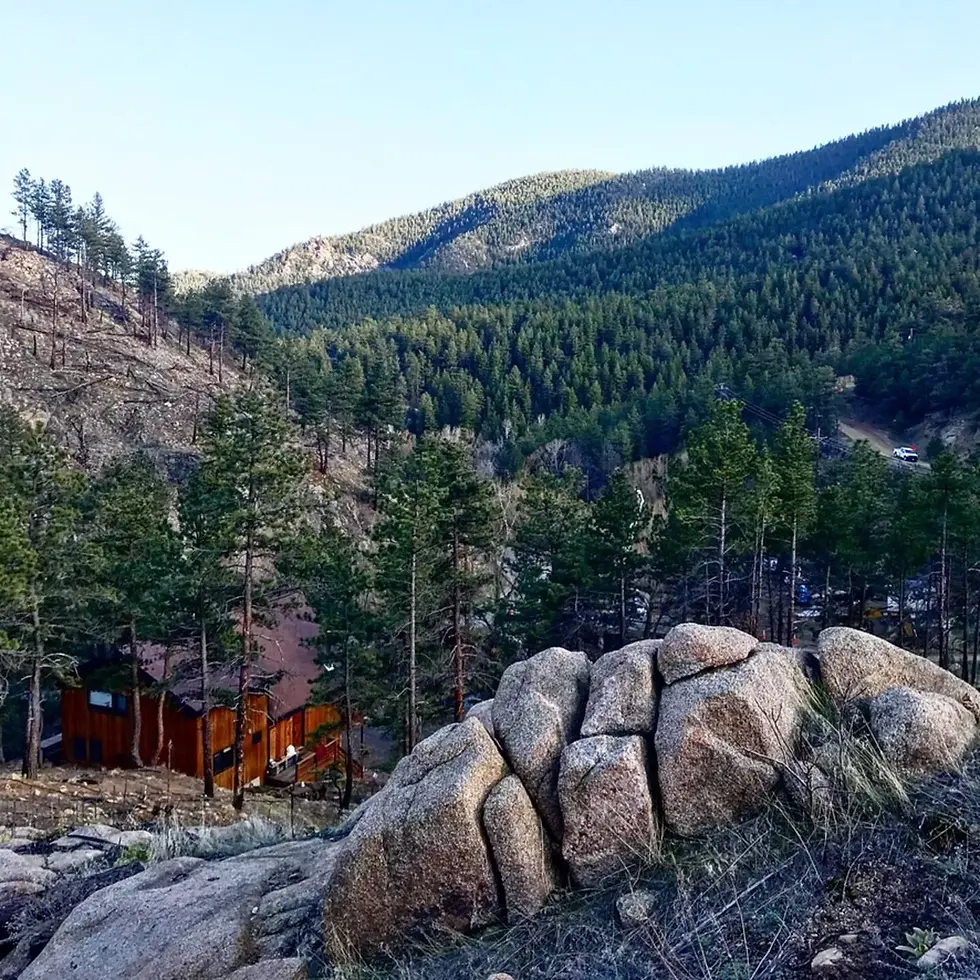
If you are building a food-and-travel itinerary that mixes an October NYC festival trip with a Colorado mountain escape, The Rusty Skillet Ranch makes a natural bookend: 12 private acres just 15 minutes from Boulder's farm-to-table restaurant scene, with a Japanese cedar hot tub and barrel sauna that serve as genuine recovery tools after days of culinary indulgence. The kind of reset that hotel rooms simply cannot deliver. Check availability and book direct here.


Comments